

Parking in 2026
Remember the frustration of circling city blocks, desperately hunting for a parking spot? Or the anxiety of arriving at the airport, hoping there's space left in your preferred garage? That experience, sadly, hasn't vanished entirely. But things have changed. In the last few years, we’ve seen a significant rise in smart parking apps, promising to take the headache out of finding a place to park, especially in popular destinations.
Traditional parking is still here, but apps are winning because they solve the basic problem of uncertainty. Most of us now use our phones to find and pay for spots before we even arrive. I've looked at how these systems actually perform in 2026 to see if the tech is worth the extra fees.
We’ll be looking closely at how smart parking apps stack up against the old ways, focusing on real-world scenarios and practical considerations. It’s not about declaring a winner, but about giving you the information you need to choose the best parking options for your specific needs.
The reality of traditional parking
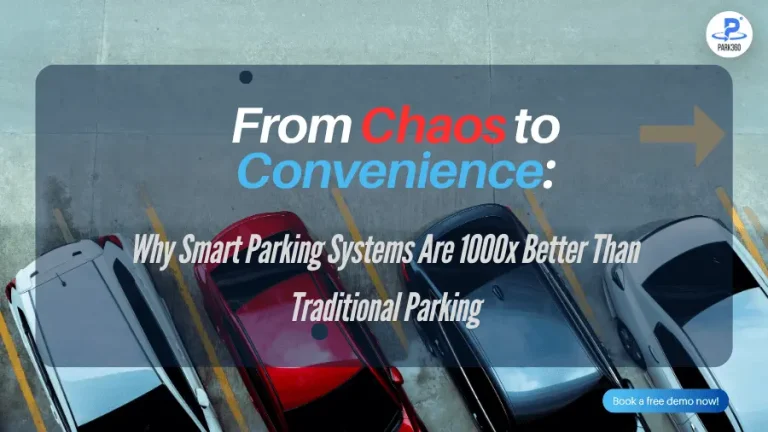
Traditional parking isn’t a monolith; it’s a complex system. It encompasses everything from street parking – metered or free – to independent parking garages, and those operated by cities or event venues. While seemingly simple, these methods often come with significant drawbacks. The biggest, of course, is the time wasted circling for an open spot, particularly in busy areas.
Beyond the time sink, there are other pain points. Cash or card payments at meters can be inconvenient, and finding a working meter can be a challenge. Signage is often unclear or outdated, leaving you guessing about restrictions and rates. And often, you have little to no information about parking availability until you’re already at the location.
Maintaining these systems also comes at a cost to cities. Meter maintenance, enforcement, and garage upkeep all require significant investment. A 2024 report from the National League of Cities estimated that municipalities spend an average of $35 per parking space annually on maintenance and enforcement. That's a substantial expense, especially when considering alternative, more efficient solutions.
Despite these challenges, traditional parking remains prevalent. It’s familiar, often readily available, and doesn’t require a smartphone or app. For some, that simplicity is a definite advantage.
The main apps to watch
The smart parking app market has matured significantly. Several players are vying for dominance, each offering a slightly different approach to solving the parking problem. EasyPark is a major contender, expanding its reach across numerous cities and integrating with a growing number of parking operators. Their focus is on simplifying the entire parking process, from finding a spot to paying the fee.
Other prominent apps include ParkMobile, known for its wide acceptance at various parking locations, and SpotHero, which excels at offering discounted rates and reservations. Newer apps are also emerging, often specializing in specific areas like airport parking or event parking. Some, like Passport Labs, focus on providing parking management solutions to cities, indirectly impacting the user experience.
Most of these apps do the same thing: they show open spots, let you pay on your phone, and give you a map. You'll mostly notice the difference in which garages they partner with and how much they tack on in service fees.
Apps vs. the curb
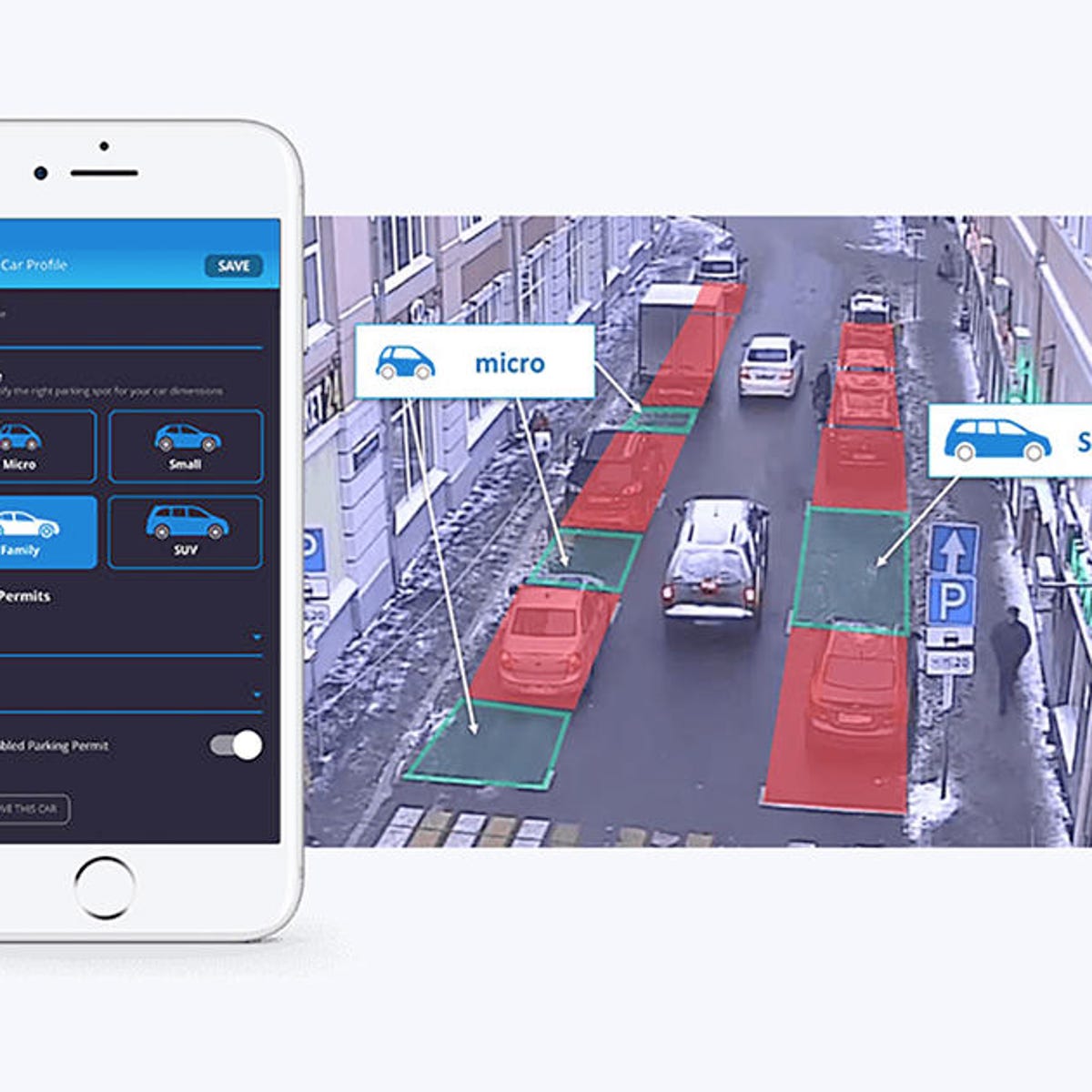
Let’s break down the key features and see how smart apps compare to traditional methods. When it comes to finding availability, traditional parking relies on guesswork and circling. You might drive around for 20 minutes hoping a spot opens up. Smart apps, on the other hand, offer real-time data, showing you exactly where available spaces are located.
Payment is another significant difference. Traditional parking typically requires cash or a credit card at a meter or gate. Apps allow for seamless mobile payments, eliminating the need to fumble for change or worry about card readers. Navigation is also vastly improved. Instead of relying on street signs or your own sense of direction, apps provide turn-by-turn directions directly to your reserved spot.
Reservations are perhaps the biggest advantage of smart apps. With traditional parking, you simply hope a spot is available when you arrive. Apps allow you to guarantee a parking space, especially valuable for events or busy areas. Finally, cost transparency is often better with apps. You see the price upfront, including any fees, avoiding unexpected surprises.
For example, imagine attending a concert downtown. With traditional parking, you might spend 30 minutes searching for a spot, ultimately paying a premium to a garage owner. With an app like EasyPark, you can reserve a spot in advance at a fixed price, knowing exactly what you’ll pay and avoiding the last-minute scramble.
Smart Parking Apps vs. Traditional Methods: A Comparison
| Feature | Traditional Parking | Smart Parking Apps |
|---|---|---|
| Availability | Often requires circling, no guarantee of finding a spot, especially during peak hours. | Real-time updates, shows available spots on a map, increasing the likelihood of finding parking quickly. |
| Payment | Typically relies on pay stations, requiring exact change or a parking pass. Can involve queues. | Offers multiple payment options including credit/debit cards, mobile wallets, and in-app billing. Often allows for extending parking remotely. |
| Navigation | Requires drivers to visually search for open spaces or rely on general directions to parking areas. | Provides turn-by-turn navigation directly to available parking spaces, reducing search time and stress. |
| Reservation | Generally does not offer the ability to reserve a parking space in advance. | Many apps allow for pre-booking and reserving parking spaces, guaranteeing a spot upon arrival. |
| Cost | Pricing is often fixed per hour or day, with limited options for comparison or discounts. | Can offer dynamic pricing, displaying costs from various parking options and potentially including discounts or promotions. |
Illustrative comparison based on the article research brief. Verify current pricing, limits, and product details in the official docs before relying on it.
Destination Deep Dive: City Examples
Let’s look at how this plays out in a few specific locations. In New York City, finding parking is notoriously difficult. Traditional street parking is highly competitive, and garage rates can be exorbitant. EasyPark (and competitors) offers a way to pre-book parking in garages, often at a discounted rate, saving both time and money.
Los Angeles presents a different challenge – sprawling distances and limited public transportation. Driving is often the only practical option, but parking can be scarce, especially near popular attractions like Universal Studios. EasyPark integrates with several LA parking operators, allowing you to compare prices and reserve a spot in advance. Traditional parking near Universal Studios often involves a long walk from remote lots.
Consider Los Angeles International Airport (LAX). Traditional parking involves navigating complex loops and potentially waiting for a shuttle. EasyPark partners with several off-airport parking facilities, offering a more convenient and often cheaper alternative with shuttle service included. The app clearly displays pricing and availability, simplifying the process.
Finally, take a popular theme park like Disney World in Orlando. Parking is free, but it fills up quickly, and the walk from the lots can be significant. While EasyPark doesn’t directly manage Disney parking, it can help you find and reserve parking at nearby hotels or private lots, offering a more convenient option for those willing to pay a premium.
The actual cost of convenience
The cost of parking isn’t just about the hourly rate. It’s about the total cost of your time and convenience. Circling for a spot burns gas and wastes valuable time. Traditional parking often lacks price transparency, potentially leading to unexpected fees. Smart apps, while sometimes adding a convenience fee, generally offer upfront pricing, allowing you to budget accordingly.
In New York City, a typical hourly rate for garage parking might be $30-$50. Using EasyPark, you might find a reserved spot for $25-$40 per hour, plus a small reservation fee. At LAX, traditional airport parking can cost $30-$40 per day. Off-airport parking booked through EasyPark might be $15-$25 per day, including shuttle service.
However, it’s not always cheaper. During peak demand, app-based parking can sometimes be more expensive than traditional options. It's essential to compare prices and consider the value of your time. If you’re willing to spend 30 minutes searching for a free spot, traditional parking might be the way to go. But if you prioritize convenience and certainty, a smart parking app is likely the better choice.
Ultimately, the cost-effectiveness of each method depends on your specific circumstances and priorities. The true cost includes not just the monetary expense, but also the value of your time and peace of mind.
New features in EasyPark
EasyPark continues to innovate, adding features that further streamline the parking experience. In 2026, a key focus is on integration with electric vehicle (EV) charging networks. The app now allows you to locate available EV charging stations, reserve a spot with charging access, and pay for both parking and charging through a single platform.
They’ve also expanded their partnerships with cities and parking operators, increasing their coverage area and offering more parking options in more locations. A new loyalty program rewards frequent users with discounts and exclusive benefits. EasyPark has also improved its integration with navigation apps like Google Maps and Apple Maps, providing a seamless experience from start to finish.
Furthermore, EasyPark introduced a "Find My Car" feature, helping users locate their vehicle in large parking facilities. This is particularly useful in unfamiliar cities or crowded events. They also expanded their business offerings to include fleet management solutions, allowing businesses to manage parking for their employees.
These enhancements demonstrate EasyPark’s commitment to providing a comprehensive and user-friendly parking solution, going beyond simply finding a spot to addressing the broader needs of drivers.
Essential Car Accessories for a Seamless Smart Parking Experience

Easy one-touch mounting system · Universal compatibility with most smartphones · Adjustable telescopic arm and suction cup base
This mount keeps your smartphone securely in place and easily accessible for navigation.

10,000mAh capacity for multiple charges · PowerIQ technology for fast charging · Compact and travel-friendly design
Ensure your phone stays charged throughout your journey with this reliable portable power bank.

4K front and 1080p rear dual dash camera · Built-in GPS and Wi-Fi · Buffered parking mode for security
This dash cam provides comprehensive video recording and parking security for your vehicle.

15W MagSafe-compatible wireless charging · Secure magnetic vent mount · Fast charging for compatible iPhones and Pixels
This charger offers convenient, fast wireless charging and a secure mount for your smartphone.
As an Amazon Associate I earn from qualifying purchases. Prices may vary.
The Future of Parking: What’s Next?
The future of parking is inextricably linked to broader trends like autonomous vehicles and smart cities. As self-driving cars become more prevalent, the need for traditional parking spaces may decrease, with vehicles potentially dropping passengers off and then proceeding to remote parking locations or returning home.
Smart cities will leverage data and technology to optimize parking availability, dynamically adjusting prices based on demand and guiding drivers to open spaces. Integrated mobility platforms will combine parking with other transportation options – public transit, ride-sharing, and bike-sharing – creating a seamless and efficient travel experience.
Parking apps will likely become even more sophisticated, offering predictive parking availability based on historical data and real-time events. We might see more personalized parking recommendations based on user preferences and habits. The line between parking and other mobility services will continue to blur.
While the exact future remains uncertain, one thing is clear: technology will play an increasingly important role in shaping how we park our cars. The convenience and efficiency of smart parking apps are here to stay, and they will continue to evolve to meet the changing needs of drivers.

No comments yet. Be the first to share your thoughts!