

The parking tax on remote work
Remote work has undeniably reshaped how and where we work, but it hasn't eliminated the need to be physically present sometimes. Many remote employees still head downtown for co-working spaces, client meetings, or simply the energy of being around others. This creates a unique parking challenge: needing convenient, reliable access to downtown parking without the daily commute of a traditional office worker.
Finding parking in major cities is already stressful enough, and it’s easy to feel unprepared when you’re not going to the same office every day. The inconsistency of remote work adds another layer of complexity. You might not qualify for monthly parking passes, and the best garages can fill up quickly. It's a problem the GSA is tackling too, though on a larger scale.
Federal parking policies don't help the freelancer or the hybrid employee. While the government manages spots for its own staff, the private market for short-term downtown access remains a fragmented mess of apps and fluctuating garage rates.
What you'll pay in major hubs
Let's look at some of the major cities and the parking situation around popular co-working spaces. New York City is notoriously difficult, with average parking costs near WeWork locations in Midtown Manhattan ranging from $30 to $60 for a few hours. Apps like SpotHero and ParkWhiz are essential for finding and pre-booking spots, and even then, availability can be tight.
San Francisco presents similar challenges, although pricing can vary significantly by neighborhood. Near Industrious locations in the Financial District, you can expect to pay around $40-$75 for a few hours of parking. Street parking is extremely limited and heavily enforced. Seattle also has high demand, especially around co-working spaces in South Lake Union, with garage parking averaging $35-$55.
Chicago offers a slightly more affordable option, with average hourly rates around $20-$40 near WeWork locations in the Loop. However, competition for spots is still fierce, and relying on street parking is risky. Austin, experiencing rapid growth, has seen parking prices increase, averaging $25-$45 near co-working spaces downtown.
Boston is brutal. If you're heading to a desk in Back Bay or the Seaport, expect to pay over $50. These rates aren't fixed; they spike during morning surges or when the Red Sox are playing.
When planning your trip, consider using a combination of apps. SpotHero is great for comparing rates and pre-booking, while ParkMobile is useful for paying for street parking in many cities. BestParking provides a broad overview of garage options, and EasyPark is expanding its coverage in several major urban areas. Don’t forget to check for early bird specials or evening rates, which can offer significant savings.
EasyPark Business: Streamlining Guest Parking
EasyPark Business offers a solution designed to simplify parking for businesses and their guests, including co-working spaces and their members. For co-working spaces, this means effortless parking for visiting clients, speakers, or even members who prefer to drive. The platform allows for easy management of parking access, reducing administrative overhead.
One of the key benefits is the ability to pre-book parking spots, ensuring availability when needed. This is particularly useful for scheduled meetings or events. EasyPark Business also provides detailed expense tracking, making it easier to manage parking costs. Businesses can set spending limits and monitor usage, which is a big help for budgeting.
For members, the platform can unlock lower rates and digital permits. I haven't seen a co-working space that lets you book a desk and a parking spot in the same click yet, but that's the obvious next step for these apps.
Essential Car Accessories for the Downtown Remote Worker

Universal compatibility with smartphones · Strong suction cup base for dashboard or windshield mounting · Telescopic arm for adjustable viewing angles
Provides secure and convenient phone mounting for navigation and hands-free calls while commuting to co-working spaces.

10,000mAh capacity for multiple device charges · PowerIQ technology for high-speed charging · Compact and travel-ready design
Ensures your devices stay powered throughout the workday, even when away from an outlet at a co-working space.

Ultra HD 4K front and 1080p rear recording · Buffered parking mode for security · Built-in GPS and Wi-Fi connectivity
Offers advanced surveillance for your vehicle in busy downtown parking areas, with high-quality footage for peace of mind.
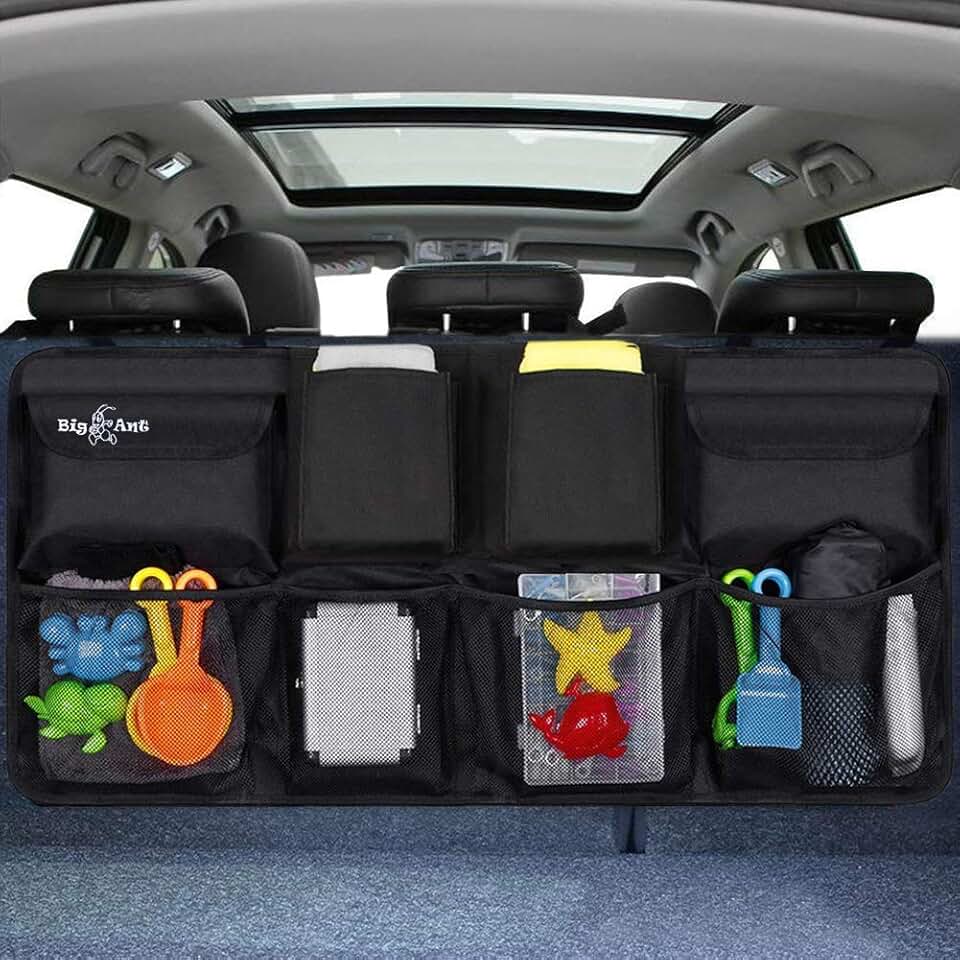
Durable construction with a lid for secure storage · Eight large pockets for ample organization · Space-saving design to keep your trunk tidy
Helps maintain a clean and organized vehicle interior, making it easier to find essentials when arriving at your co-working destination.

15W MagSafe compatible wireless charging · 119 lbs suction cup for secure mounting · 720° adjustable magnetic holder
Combines a secure phone mount with fast wireless charging, keeping your phone accessible and powered during your commute.
As an Amazon Associate I earn from qualifying purchases. Prices may vary.
Affordable Alternatives: Beyond the Garage
While parking garages offer convenience, they can be expensive. Street parking is often the cheapest option, but it comes with risks. Time limits are strictly enforced in most cities, and finding an available spot can be a frustrating experience. Be sure to carefully read all parking signs to avoid tickets.
Park-and-ride facilities, typically located on the outskirts of the city, can be a good compromise. You drive to the facility, park your car, and then take public transportation into the downtown core. This can be significantly cheaper than parking downtown, but it adds commute time. Negotiating deals with local businesses for shared parking is another possibility, though it requires some legwork.
Some co-working spaces may have agreements with nearby parking lots or garages, offering discounted rates to their members. It's always worth asking about these options. Remember to factor in the cost of your time when evaluating these alternatives. Spending an hour searching for free parking might not be worth the savings.
What to expect by 2026
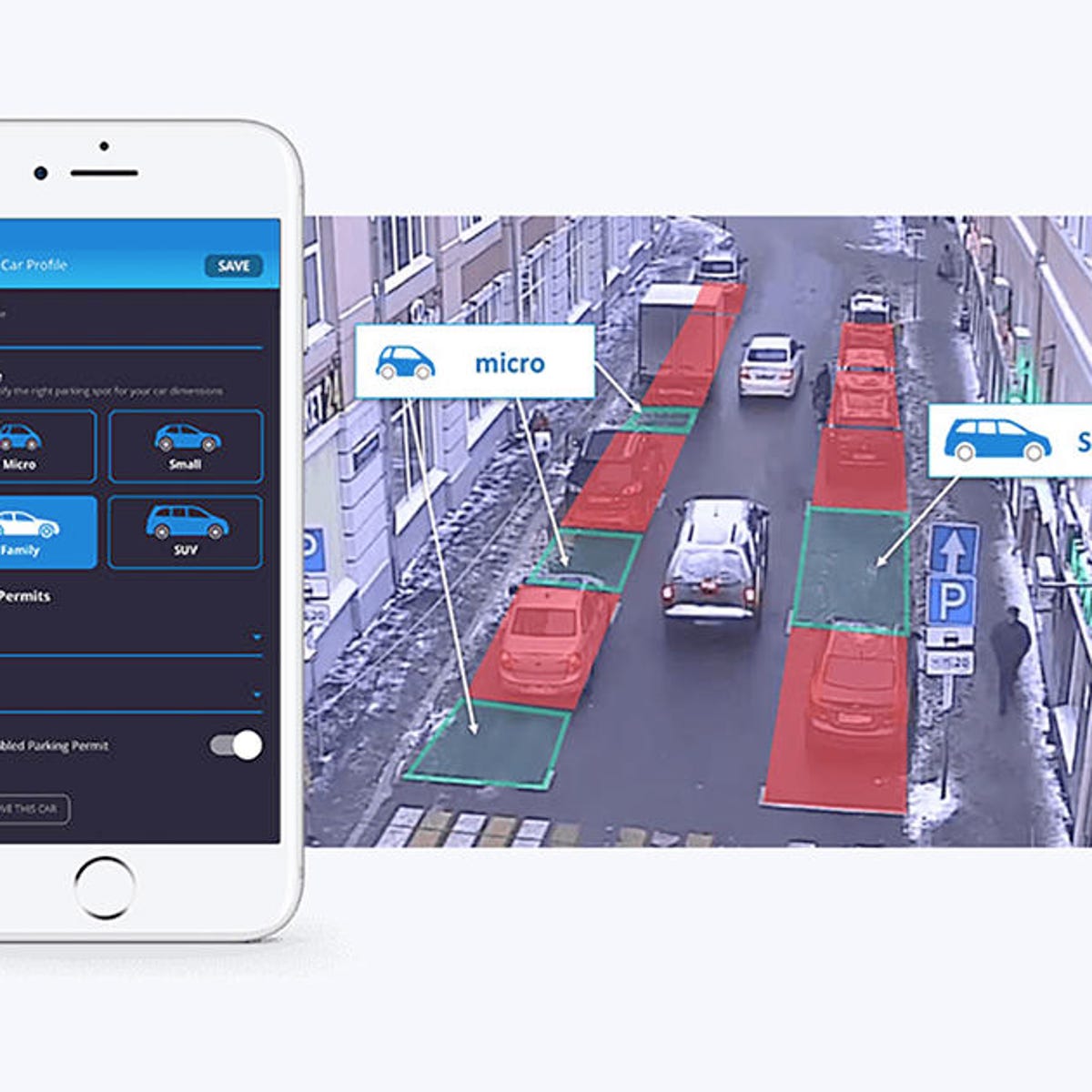
Looking ahead to 2026, several trends are likely to shape the future of downtown parking. Smart parking sensors are becoming increasingly common, providing real-time information about space availability. This data can be integrated into parking apps, making it easier to find a spot. Dynamic pricing, which adjusts rates based on demand, is also gaining traction.
We might even see more automated parking systems, where robots park your car for you, maximizing space utilization. However, the widespread adoption of these technologies will depend on cost and infrastructure investments. The continued growth of remote work will also impact parking demand, potentially leading to a decrease in overall need for downtown parking.
It's unlikely we’ll see parking disappear entirely, though. People will still need to travel to cities for meetings, events, and social activities. The challenge will be to create a more efficient and sustainable parking system that meets the evolving needs of a hybrid workforce. I suspect we'll see a greater emphasis on integrated mobility solutions, combining parking with public transportation and ride-sharing options.
Standout Spaces: Parking Perks to Look For
When choosing a co-working space, parking should be a key consideration. Some WeWork locations, particularly those outside of the most congested areas, offer on-site parking or discounted rates with nearby garages. Industrious spaces in certain cities have also partnered with parking apps to provide members with convenient and affordable options.
Look for spaces that are well-served by public transportation, even if you plan to drive most of the time. This gives you a backup option if parking is unavailable or too expensive. Don’t hesitate to ask the co-working space directly about parking arrangements. They may have information that isn’t readily available online. A little research can make a big difference in your daily commute.
No comments yet. Be the first to share your thoughts!