

The reality of EV parking in 2026
By 2026, electric cars won't be a niche sight in parking lots. They'll be the standard. Most major attractions are currently scrambling to move beyond a few lonely chargers in the back corner of the lot to making charging a central part of the arrival experience.
Parking attractions are starting to feel the pressure to provide adequate charging infrastructure. It's no longer enough to simply offer parking; they need to offer electric parking. We’re seeing a move beyond simply adding a few chargers as an afterthought to integrating EV charging into the core parking strategy. This means considering the number of chargers, their location, and the overall user experience.
Expect a mix of high-tech hubs at theme parks and more rugged, limited options at federal lands. Finding a spot that doesn't break the bank requires knowing which apps actually show live status and which ones are just guessing.
National parks and federal lands
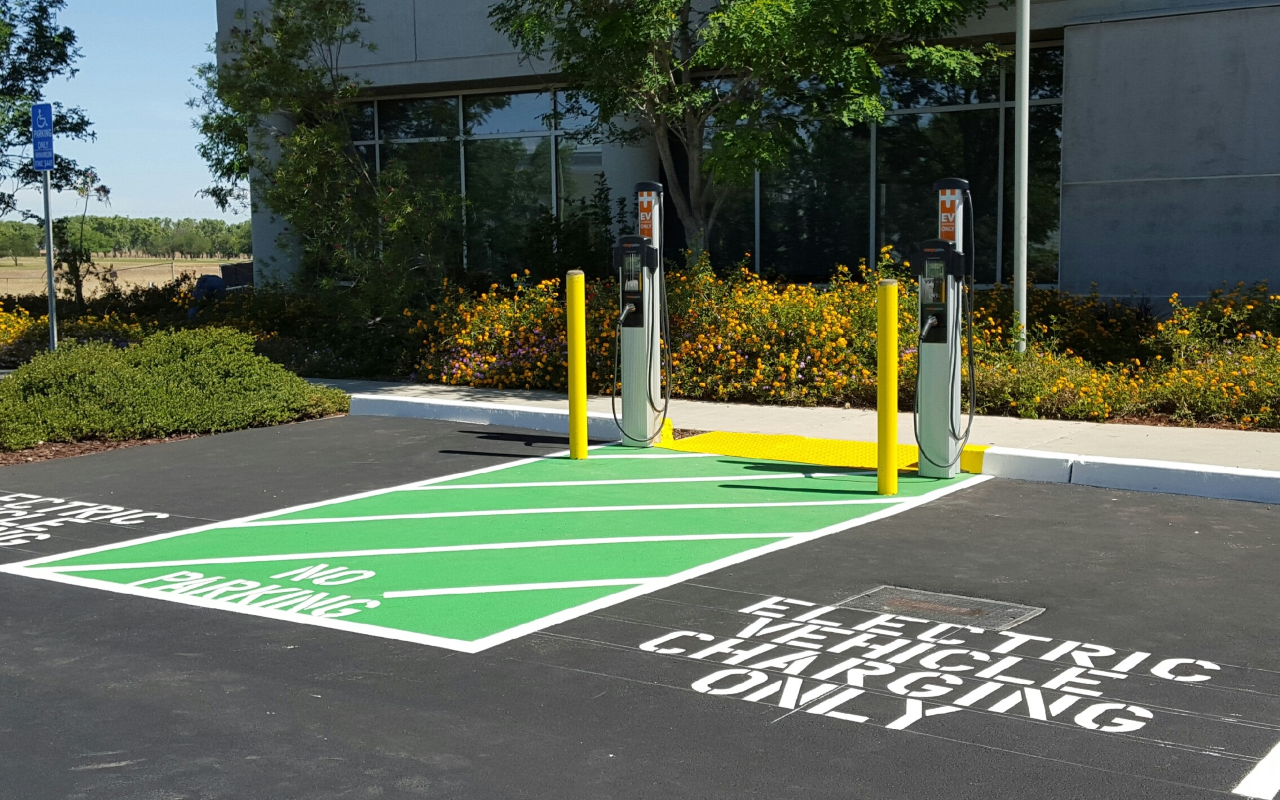
National Parks and other federally managed lands are increasingly aware of the need for EV charging infrastructure. The push for sustainability and accessibility is driving this change. The U.S. Access Board provides guidelines on accessible parking, and these guidelines directly impact the design and placement of EV charging spaces. They aren’t just about making the space usable for everyone, but ensuring it’s equitably usable.
The National Park Service uses parkplanning.nps.gov to track infrastructure updates. While they don't mandate a specific number of plugs per acre yet, the current trend in their development plans shows a heavy lean toward electrified transit in high-traffic areas like Yosemite.
Currently, the availability of EV charging varies widely. Some parks, like Yosemite and Grand Canyon, have made significant investments in charging infrastructure, while others are still in the early stages of development. It’s crucial to plan ahead and check the park's website or use apps like PlugShare to locate available stations before your visit. Don’t assume a charger will be available, especially during peak season.
Federal lands often prioritize accessibility. This means that EV charging stations must adhere to ADA standards, including proper signage, accessible routes, and appropriate space for wheelchair access. The Access Board’s guidelines are essential for ensuring that these spaces are inclusive for all visitors. It’s a good reminder that accessible charging isn’t just about convenience, it’s about equity.
- ParkPlanning.nps.gov: Check here for specific construction timelines for new chargers.
- U.S. Access Board: Provides guidelines for accessible parking and charging spaces.
EV Charging Infrastructure Availability at National Park Sites – Projected to 2026
| Park Type | Charging Availability | Accessibility Considerations | Future Development Focus |
|---|---|---|---|
| National Parks | Medium | Generally includes accessible parking spaces as mandated by accessibility guidelines; charging spaces may or may not be specifically designated accessible. | Expansion of charging networks at visitor centers and popular trailheads. Focus on increasing charging speeds. |
| National Monuments | Low to Medium | Accessibility varies significantly depending on the monument. Newer monuments tend to have better accessibility features, including accessible parking. Charging infrastructure is less common. | Pilot programs to assess feasibility of charging stations in remote monument locations. Emphasis on solar-powered charging options. |
| National Forests | Low | Accessibility is often limited due to the natural terrain and dispersed recreation. Accessible parking is typically available at developed campgrounds and visitor centers. Charging infrastructure is rare. | Partnerships with private companies to explore charging solutions along major forest roads. Focus on off-grid charging capabilities. |
| National Recreation Areas | Medium | Accessibility is generally good, especially at developed recreation sites like lakes and reservoirs. Accessible parking is common. Charging availability is increasing, particularly near visitor centers. | Investment in charging infrastructure at marinas and boat launches to support electric boats and vehicles. Expansion of charging networks along recreation corridors. |
| Highly Visited National Parks (e.g., Yosemite, Yellowstone) | Medium to High | Established accessibility standards for parking and facilities. Increasing number of charging stations, but demand often exceeds supply. | Prioritization of charging infrastructure upgrades. Exploring options for dynamic pricing and reservation systems for charging spots. |
| Remote Wilderness Areas (within National Parks/Forests) | Very Low | Accessibility is extremely limited. Parking is often unpaved and lacks designated accessible spaces. Charging infrastructure is virtually non-existent. | Limited development due to preservation concerns. Focus on promoting responsible EV travel and minimizing impact on wilderness areas. |
Illustrative comparison based on the article research brief. Verify current pricing, limits, and product details in the official docs before relying on it.
Theme parks and entertainment venues
Major theme parks like Disney, Universal, and Six Flags are starting to address the demand for EV charging, but the offerings are still somewhat limited and inconsistent. Disney World, for example, offers charging stations at select resort hotels and theme park parking lots, but availability can be competitive. Universal Studios Hollywood has a growing number of charging stations, but they’re often located further from the park entrances.
Costs associated with charging at these locations can vary significantly. Some parks offer free charging as a perk for guests, while others charge by the hour or by the kilowatt-hour. Expect to pay anywhere from $0.30 to $0.70 per kWh, depending on the location and charging speed. It’s always a good idea to check the park's website or app for the most up-to-date pricing information.
Preferred parking spots for EVs are becoming more common, but they often come at a premium. Some parks offer reserved parking spaces for EVs near the entrance, but these spaces may require an additional fee. The availability of these spaces also varies depending on the park and the time of year. I’ve noticed that many venues are still figuring out the best way to balance demand and availability.
Stadiums and concert halls are also beginning to add EV charging stations, but the rollout has been slow. Many venues are partnering with charging network providers like ChargePoint and Electrify America to install and manage the stations. Expect to pay a premium for charging at these locations, especially during major events.
- Disney World: Charging stations at select resorts and parks.
- Universal Studios Hollywood: Growing number of charging stations.
- ChargePoint & Electrify America: Common charging network partners for venues.
Featured Products
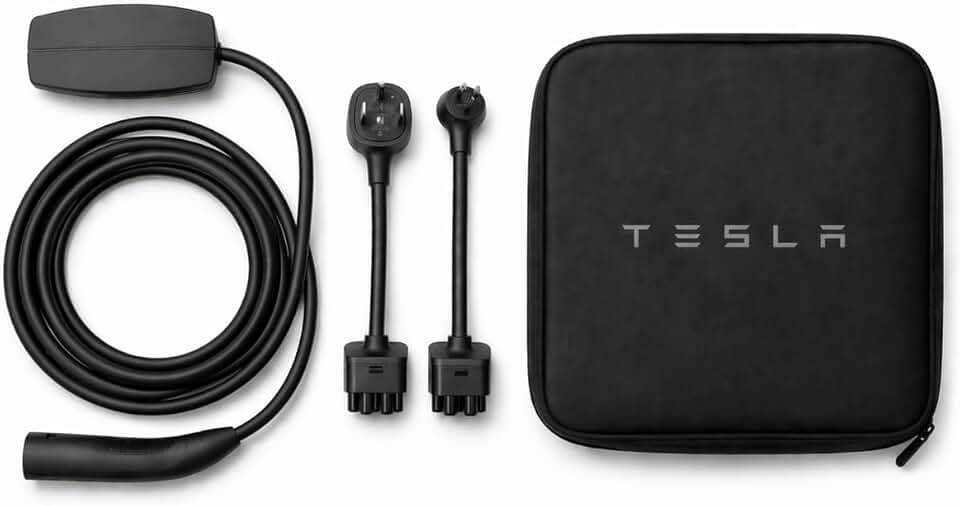
Portable Level 2 charger · Up to 32A charging speed · 20ft cable length
This portable charger offers convenient Level 2 charging for Tesla vehicles and other NACS-equipped EVs, making it easy to top up at attractions.

Level 2 charging up to 40A · Suitable for indoor/outdoor use · 25-foot flexible cable
The Autel MaxiCharger provides fast Level 2 charging with a durable design suitable for various environments, ensuring reliable power at popular destinations.

Level 2 charging at 40A / 9.6 kW · UL tested and certified · Durable metal case for indoor/outdoor use
This robust and certified charger offers high-speed Level 2 charging and versatile connector compatibility, ideal for busy attraction parking areas.
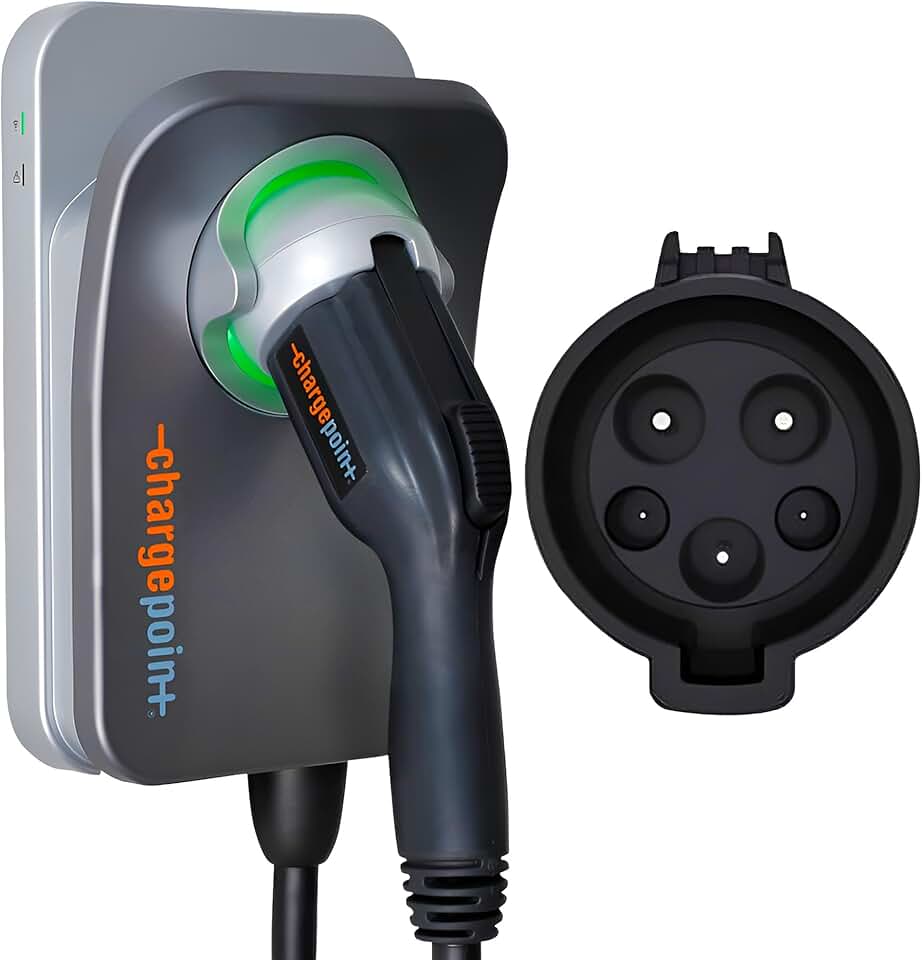
Level 2 charging · Smart charging capabilities · Hardwired installation
The ChargePoint HomeFlex offers smart, fast Level 2 charging for J1772 EVs, providing a reliable charging solution for home or destination use.

Level 2 charging at 40A / 9.6 kW · Suitable for outdoor/indoor use · 25-foot cable length
This cost-effective Level 2 charger delivers fast charging speeds and a long cable, making it a practical option for keeping EVs powered up at various locations.
As an Amazon Associate I earn from qualifying purchases. Prices may vary.
City Attractions: Museums & Zoos
EV charging availability at museums and zoos is often heavily influenced by city-level policies and incentives. Cities like San Francisco and Portland, which are known for their commitment to sustainability, have seen a rapid expansion of public charging infrastructure, including stations near popular attractions. Many museums and zoos in these cities have installed charging stations to attract EV drivers.
San Francisco and Portland currently lead with municipal grants that help local museums offset installation costs. In these cities, you'll often find that an EV permit gets you a discounted rate at the meter or the garage attached to the zoo.
The cost of charging at museums and zoos can vary. Some offer free charging as a perk, while others charge a fee. The fee is often based on the amount of time parked or the amount of electricity used. I’ve found that museums are more likely to offer free charging as a way to attract visitors and promote their sustainability efforts.
Successful city initiatives, like the expansion of public charging networks and the implementation of EV-friendly parking policies, are crucial for encouraging EV adoption and making it easier for people to visit attractions without range anxiety. These initiatives create a positive feedback loop, attracting more EV drivers and driving further investment in charging infrastructure.
How to find cheaper charging
Finding affordable EV charging near attractions requires a bit of planning and the use of helpful apps. PlugShare, ChargePoint, and Electrify America are all excellent resources for locating charging stations, comparing prices, and checking availability. PlugShare is particularly useful for finding user reviews and tips about specific stations.
These apps allow you to filter stations by charging speed, connector type, and price. You can also see real-time availability, which is crucial during peak hours. Don’t rely solely on the app’s information, though. It’s always a good idea to call the station operator to confirm availability, especially if you’re traveling a long distance.
Many charging networks offer subscription plans or loyalty programs that can save you money. For example, Electrify America offers a membership plan that provides discounted charging rates. ChargePoint also has a rewards program that allows you to earn points for every dollar spent on charging. It’s worth exploring these options if you charge frequently.
Look for stations located near free attractions or amenities. For example, you might find free charging at a shopping mall while you’re visiting a museum. Or you might be able to combine charging with a meal at a restaurant that offers charging stations. Planning ahead can help you save money and make the most of your charging experience.
Wireless and dynamic charging
Emerging technologies like wireless charging and dynamic charging have the potential to revolutionize EV parking at attractions. Wireless charging, which allows you to charge your EV simply by parking over a charging pad, could eliminate the need for cables and connectors. This would make charging more convenient and accessible for everyone.
Dynamic charging, which involves charging your EV while driving on specially equipped roads, could further reduce range anxiety and make long-distance travel more practical. Imagine driving into a National Park and having your EV charged wirelessly as you explore the scenic routes. While these technologies are still under development, they hold immense promise for the future.
How might these technologies impact parking at attractions? Wireless charging could be integrated into parking spaces, allowing visitors to charge their EVs without having to plug in. Dynamic charging could reduce the need for large charging stations at attractions, as EVs could be partially charged on the way. I’m not sure when these technologies will become widespread.
The cost of implementing these technologies is currently high, but as they become more mature and demand increases, the costs are likely to come down. Government support and private investment will be crucial for accelerating the development and deployment of wireless and dynamic charging infrastructure. It’s an exciting area to watch.
The unwritten rules of the plug
EV parking etiquette is surprisingly important, and following a few simple guidelines can help ensure a positive experience for everyone. The most important rule is to move your car once charging is complete. Leaving your car parked in a charging spot after it’s fully charged is inconsiderate and prevents others from accessing the charger.
Avoid ICEing – parking a gas car in an EV charging spot – at all costs. This is a major pet peeve of EV drivers and can create significant frustration. Be mindful of charging time limits, which are often posted at the station. Respect these limits to ensure that everyone has a fair chance to charge.
Be courteous to other EV drivers. If someone is waiting for a charger, offer to share if possible. And if you see someone struggling to use the charger, offer to help. A little kindness can go a long way.
Ultimately, being a good charger is about being considerate of others and respecting the shared infrastructure. By following these simple guidelines, you can help create a more positive and inclusive charging experience for all EV drivers. Let’s all do our part to make EV parking easy and enjoyable.

No comments yet. Be the first to share your thoughts!