

Airport Parking: The 2026 Reality
I remember the panic of circling the Denver airport terminal for an hour, late for a flight, desperately searching for a parking spot. It's a feeling many travelers know all too well. Airport parking is, frankly, becoming a major source of stress and expense. Costs are rising steadily, and the convenience of parking right at the terminal is increasingly out of reach for many.
Official airport parking rates are often exorbitant, especially at larger hubs. Demand continues to climb as air travel rebounds, and airports are often slow to expand parking capacity. This creates a perfect storm where travelers are forced to either pay a premium or spend valuable time hunting for alternatives.
Interestingly, local government regulations around parking minimums, like those discussed by the Colorado Division of Local Government (dlg.colorado.gov), can influence parking availability near airports. While these rules aim to ensure sufficient parking overall, they don't always address the specific needs of airport travelers. This guide isn’t about navigating those local rules, though. It’s about finding those hidden pockets of affordable – and sometimes free – parking that can save you money and reduce pre-flight anxiety.
The Hunt for Free Airport Parking
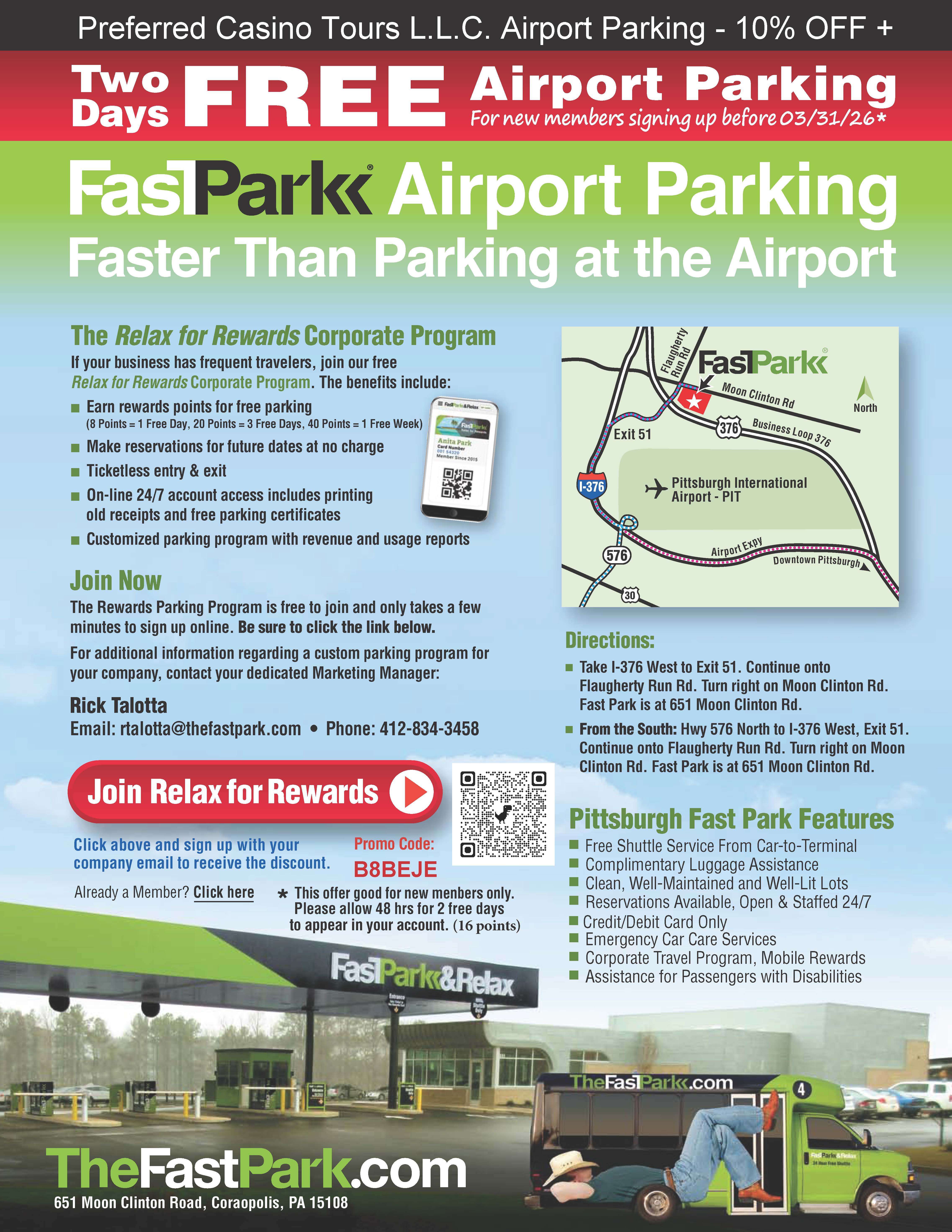
Let’s be realistic: finding truly free airport parking is challenging, and requires effort. It’s not as simple as just driving up and expecting an open spot. But it’s not impossible. One popular strategy is to look for "park, sleep, fly’ packages at hotels near the airport. These deals typically include a night"s stay at a hotel plus free parking for the duration of your trip. The trade-off is, of course, that you have to stay at the hotel.
Another option is to investigate long-term parking at businesses that cater to travelers – think gas stations, restaurants, or even shopping centers located near the airport. Always verify with the business owner or manager that parking is permitted for extended periods and that it’s okay to leave your car while you’re away. Don’t assume it’s allowed just because there are empty spaces. You don't want to return to a tow truck.
Some hotels and businesses operate their own airport shuttles, and parking in their lots can be a viable alternative to the official airport options. Check their websites or call ahead to inquire about parking availability and shuttle schedules. These spots are competitive, especially during peak travel seasons, so planning ahead is essential.
Parking on public streets near the airport is another possibility, but it comes with significant caveats. You must carefully read all posted signage to understand parking restrictions, time limits, and permit requirements. Ignoring these rules can result in a hefty fine or even having your car towed. Local regulations vary widely, so what's allowed in one city might be prohibited in another. It's your responsibility to know the rules.
- Hotel Park, Sleep, Fly: Combines accommodation with parking.
- Business Parking: Requires verification of permission.
- Shuttle Lots: Check availability and schedules.
- Street Parking: Strictly adhere to local signage.
Airport Parking Apps: A Mixed Bag
Apps like SpotHero and ParkWhiz can be useful tools in your search for affordable airport parking. They allow you to compare prices and book parking spots in advance, potentially saving you money. However, don’t expect these apps to magically reveal a wealth of free parking options. They primarily focus on paid parking facilities.
The real-time availability feature is helpful, but it’s not always accurate. I’ve encountered instances where the app showed a spot available, only to find it occupied upon arrival. It’s always a good idea to double-check with the parking facility directly to confirm availability. Be wary of hidden fees or unexpected charges that may not be clearly displayed in the app.
App availability also varies significantly by airport. Some airports are well-supported, while others have limited or no coverage. It’s important to check whether the app actually works at your departure airport before relying on it. While these apps can be a starting point, they shouldn’t be your only source of information.
Airport Parking App Comparison - 2026
| Free Parking Search | Discount Availability | Real-Time Updates | User Reviews (Overall) | Hidden Fees (Reported) |
|---|---|---|---|---|
| Fair | Good | Good | Fair | Fair |
| Poor | Fair | Fair | Good | Poor |
| Fair | Good | Fair | Fair | Fair |
| Good | Fair | Good | Good | Poor |
| Poor | Poor | Fair | Poor | Good |
| Fair | Fair | Good | Fair | Fair |
Illustrative comparison based on the article research brief. Verify current pricing, limits, and product details in the official docs before relying on it.
Beyond Free: Affordable Parking Strategies
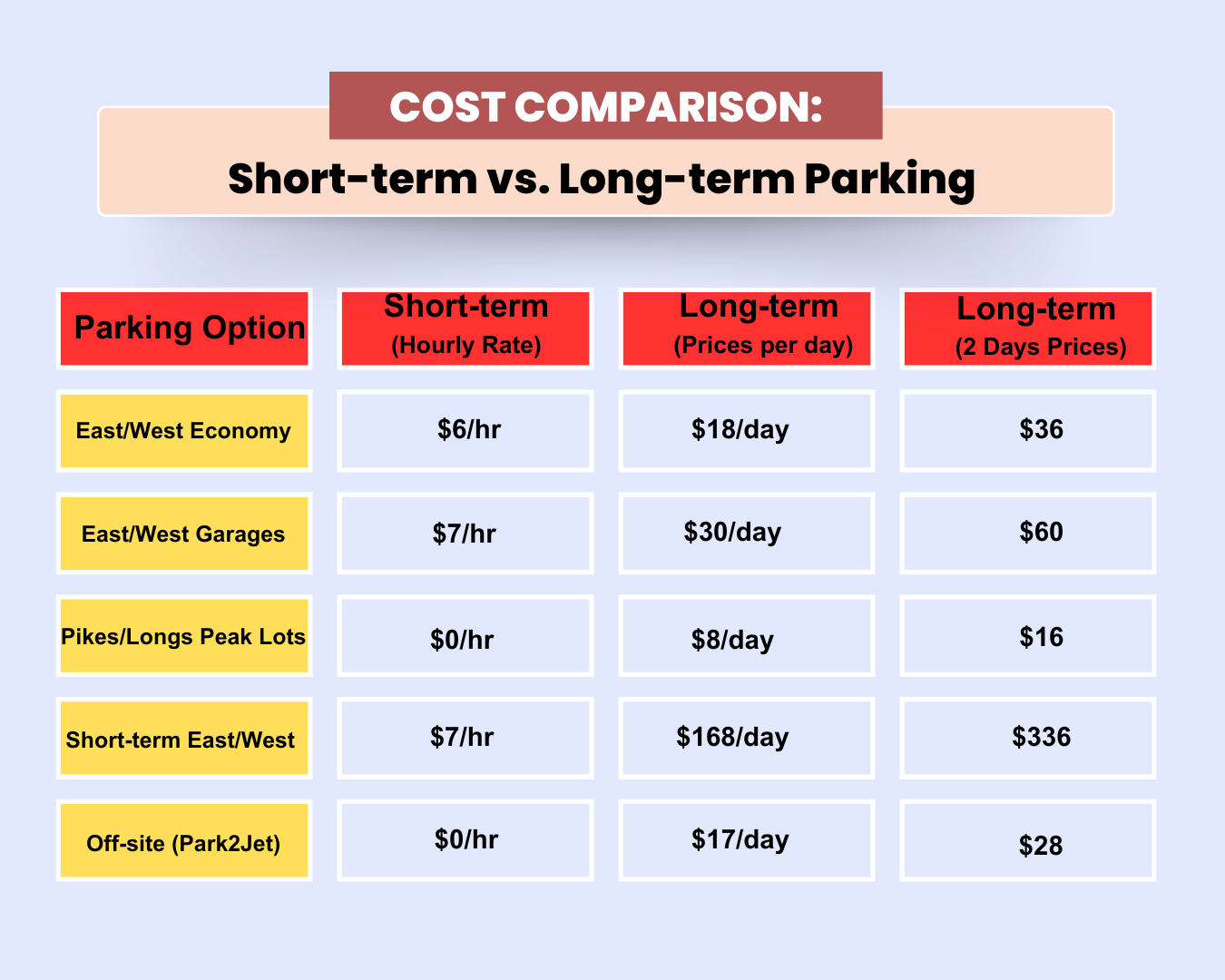
If you can’t find free parking, don’t despair. There are still ways to save money compared to official airport rates. Off-airport parking lots with shuttle service are a popular option. These lots are typically located a few miles from the airport and offer significantly lower daily rates. The trade-off is the added travel time and the need to rely on a shuttle to get to and from the terminal.
When comparing off-airport parking lots, consider factors like price, shuttle frequency, security features, and customer reviews. A lot that’s slightly more expensive but offers more frequent shuttles might be a better value overall. Reading reviews from other travelers can provide valuable insights into the quality of service and reliability.
Ride-sharing services like Uber and Lyft are another alternative, but they can be unpredictable. During peak hours or periods of high demand, surge pricing can make them as expensive – or even more expensive – than airport parking. It’s important to factor in potential surge pricing when comparing costs. They are useful, but not a dependable back-up plan.
Ultimately, the best strategy depends on your individual circumstances and priorities. If saving money is your top priority, off-airport parking is a good choice. If convenience is more important, you might be willing to pay the higher rates for on-site parking.
Navigating Airport Parking Signage
Understanding airport parking signage is crucial for avoiding fines and potential towing. The Colorado Department of Transportation (codot.gov) provides a detailed "No Parking Sign Guide" that can be a helpful resource. Generally, signs will clearly indicate whether parking is permitted, restricted, or prohibited.
Pay close attention to signs that specify time limits. Many areas have restrictions on how long you can park, even if parking is initially permitted. Look for signs that indicate "2-Hour Parking,’ ‘30-Minute Loading Zone," or similar restrictions. Ignoring these time limits can result in a ticket.
Be aware of signs that designate specific parking areas for authorized vehicles only. These areas are typically reserved for airport employees, taxis, or shuttle buses. Parking in these areas without authorization is a surefire way to get towed. Always read the fine print on any posted signs. It’s better to be safe than sorry.

Airport Parking: Regional Differences
Parking situations vary dramatically depending on the airport and region. Atlanta’s Hartsfield-Jackson International Airport (ATL), one of the busiest in the world, generally has high parking rates and limited availability, especially during peak travel periods. Los Angeles International Airport (LAX) is similar, with consistently high demand and expensive parking options.
New York’s airports, JFK and LaGuardia (LGA), also tend to be pricey, though LGA recently underwent renovations that improved parking facilities. Chicago’s O’Hare International Airport (ORD) offers a wider range of parking options, but rates can still be substantial. Smaller regional airports often have more affordable parking rates and better availability.
The availability of free or low-cost parking near airports also varies by region. Areas with more competition among hotels and parking facilities tend to offer better deals. It’s important to research the specific parking situation at your departure airport and explore all available options.
Future Trends in Airport Parking
The future of airport parking is likely to be shaped by several emerging trends. The potential adoption of autonomous vehicles could significantly reduce the demand for parking spaces, as passengers could be dropped off directly at the terminal. However, this is still several years down the road and is subject to regulatory hurdles.
Pre-booked parking is already becoming more popular, and this trend is likely to continue. Airports and parking operators are investing in technology to streamline the booking process and optimize parking space utilization. We’ll likely see more dynamic pricing models that adjust rates based on demand.
Increased use of technology, like smart parking apps and automated payment systems, will make the parking experience more convenient and efficient. It’s reasonable to expect more real-time information about parking availability and automated guidance systems to help drivers find open spaces. While predicting the future is always difficult, these trends suggest a move towards a more technologically advanced and user-friendly airport parking experience.

No comments yet. Be the first to share your thoughts!