

How parking changed after the pandemic
The pandemic completely upended our expectations for parking, and surprisingly quickly. In early 2020, parking lots in city centers sat nearly empty as lockdowns and remote work emptied office buildings and curtailed leisure travel. The initial shock was significant; many operators scrambled to adjust to a demand that had plummeted overnight. It wasn't just a decrease in volume, though. Where people were going changed dramatically.
As people avoided densely populated areas, we saw a surge in visitation to suburban destinations, parks, and rural getaways. This shift forced a reevaluation of parking infrastructure, and a rapid embrace of technology. Contactless payment options, initially a convenience, became a necessity. Destinations realized that a smooth, touchless parking experience was no longer a 'nice-to-have' but a fundamental expectation for visitors.
The early days were messy. Most cities didn't have the digital tools to handle the shift. We saw a quick move toward online reservations and mobile apps to keep things moving. Those frantic updates in 2020 and 2021 are why almost every lot you visit in 2026 is fully digital.
I think what’s most striking is the lasting impact. Even as travel patterns normalize, the emphasis on contactless solutions and data-driven optimization remains. Destinations aren't simply going back to 'normal'; they're building a new normal, one where parking is integrated into a broader digital ecosystem.
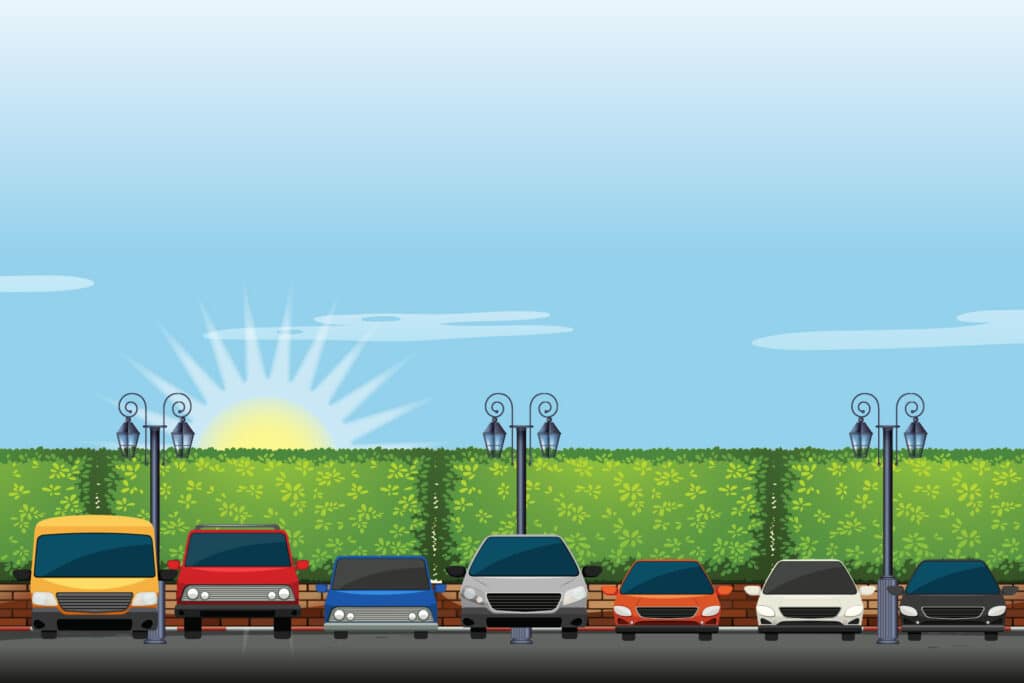
Cities are trading cars for curb space
Major city centers like New York, London, and Paris have undergone a particularly significant transformation in their approach to on-street parking. The decline in commuter traffic, coupled with a growing emphasis on pedestrian-friendly spaces, has led to a fundamental rethinking of how valuable curb space is allocated.
Dynamic pricing is now commonplace. Parking rates fluctuate based on demand, with prices spiking during peak hours and decreasing during off-peak times. This helps manage congestion and encourages turnover. However, it also means drivers need to be more strategic about when and where they park. Many cities are also actively reducing the number of available parking spaces, repurposing them for expanded outdoor dining areas and pedestrian zones – often called 'parklets'.
The integration of parking apps with public transit systems is another key trend. Several cities now allow drivers to pay for parking and plan their public transit journey through a single app. This seamless integration encourages people to combine driving with public transport, reducing overall congestion. For example, London's Citymapper app now integrates with several parking providers, offering a unified experience.
Cities are starting to treat parking as a tool for urban planning rather than just a way to collect fees. By cutting down on spots, they're making room for people. It's a tough trade-off, but it makes the streets feel less like a highway and more like a neighborhood.
Post-Pandemic Parking Solutions in Major Cities - 2026
| City | Primary Strategy | Impact on Overall Parking Availability | Key Technologies Integrated | Overall Effectiveness (Resident/Business Sentiment) |
|---|---|---|---|---|
| New York City | Congestion Pricing & Increased Bike Infrastructure | Lower in Manhattan, Stable Elsewhere | Mobile Payment Apps, Real-time Occupancy Data Systems, Automated Enforcement | Neutral - Mixed opinions. Benefits seen in reduced congestion, concerns about cost for commuters. |
| London | Expansion of Low Emission Zones & Parking Restrictions | Moderate Reduction, Shift to Peripheral Parking | Smart Parking Sensors, Dynamic Signage, Integrated Parking Platforms (linking public & private spaces) | Positive - Generally favorable due to improved air quality, but challenges remain for businesses needing deliveries. |
| Paris | Significant Pedestrianization & Prioritization of Public Transport | Substantially Lower in Central Districts | Parking Guidance Systems, Mobile Apps with Availability Information, Automated Parking Facilities | Positive - High satisfaction among residents, some concerns from retailers regarding accessibility. |
| Rome | Hybrid Approach: Limited Traffic Zones & Smart Parking Initiatives | Moderate Reduction in Historic Center | Parking Apps with Pre-booking, Sensor-based Space Detection, Digital Payment Options | Neutral - Improvements noticed, but ongoing issues with enforcement and availability during peak times. |
| Berlin | Focus on Residential Parking Permits & Expansion of Park-and-Ride Facilities | Stable in Residential Areas, Increased Demand at Park-and-Ride | Digital Permit Management Systems, Real-time Information on Park-and-Ride Availability, Integrated Public Transport Ticketing | Positive - Residents appreciate prioritized access, commuters benefit from improved park-and-ride options. |
| Tokyo | Advanced Parking Guidance Systems & Multi-Story Parking Optimization | Stable, Efficient Use of Existing Spaces | Sophisticated Parking Navigation Systems, Automated Parking Systems, Integration with Public Transport Information | Positive - High levels of convenience and space utilization, contributing to reduced congestion. |
Qualitative comparison based on the article research brief. Confirm current product details in the official docs before making implementation choices.
Theme parks lead the way in tech
Theme parks like Disney and Universal, and large resorts, have been at the forefront of adopting advanced parking technologies. They’ve realized that the parking experience is an extension of the overall guest experience, and have invested heavily in making it as seamless and stress-free as possible.
Reservation systems for parking are now standard. Guests can pre-book their parking spot online or through a mobile app, guaranteeing a space and often saving money. Premium parking options, offering closer proximity to the entrance and expedited entry, are also popular. These options generate significant revenue for the resorts.
Cameras now read your license plate as you drive in. You don't have to roll down the window or hunt for a paper ticket anymore. Disney World uses this at most of its Florida lots, which keeps the lines moving much faster than the old gate-and-ticket method.
These destinations are also leveraging data analytics to optimize parking flow. They track parking occupancy rates, identify peak demand times, and adjust pricing accordingly. It's a data-driven approach that maximizes revenue and improves the guest experience. I find it fascinating how they’ve turned parking into a sophisticated operation.
Airports: Beyond the Shuttle
Airport parking has also evolved significantly. While on-airport parking remains popular, we've seen substantial growth in off-airport parking facilities offering shuttle services. These facilities often provide more competitive rates and a wider range of amenities.
The integration of parking reservations with airline bookings is becoming increasingly common. Travelers can now book their parking spot at the same time they book their flight, simplifying the travel planning process. Many airlines partner with parking providers to offer discounted rates to their customers.
Mobile apps are now essential for airport parking. They allow travelers to pay for parking, reserve a spot, track shuttle schedules, and even access gates using their smartphone. This contactless experience is particularly appealing to travelers.
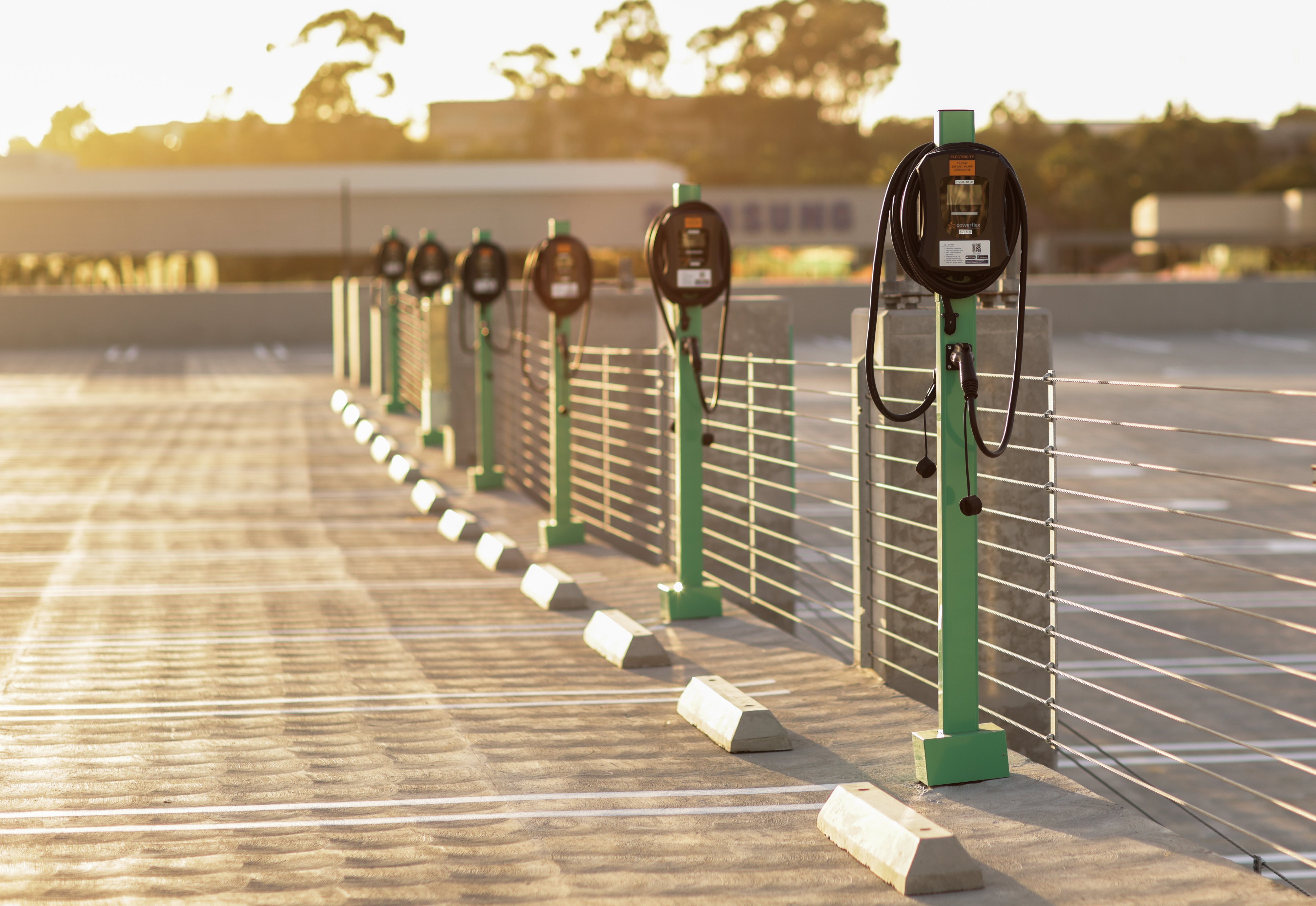
Airports are also responding to the growing demand for electric vehicle charging stations. Many airports are installing charging stations in their parking lots, catering to the increasing number of EV drivers. This is a smart move, as it attracts environmentally conscious travelers and positions the airport as a leader in sustainability.
Airport Parking in 2026
- Advance Reservations are Crucial - Many airports now prioritize, or even require, pre-booked parking. Walk-up availability, especially during peak travel times, is significantly reduced.
- On vs. Off-Airport Rate Disparity - The price gap between official airport parking and nearby off-airport lots with shuttle service has widened, making comparison essential. Services like SpotHero and ParkWhiz continue to be popular for finding deals.
- EV Charging Expansion - Electric vehicle charging stations are increasingly common in airport parking facilities, but availability varies greatly. Confirm charging options when booking.
- Shuttle Service Considerations - While shuttle services remain standard for off-airport parking, frequency and wait times can fluctuate. Check recent traveler reviews and airport websites for current shuttle schedules.
- Mobile App Integration - Airport parking apps (and third-party apps like Easy Parked) are now central to the parking experience, offering reservation management, mobile payment, and real-time parking availability updates.
- Dynamic Pricing is Standard - Expect parking rates to adjust based on demand, time of day, and event schedules. Airports are employing dynamic pricing models similar to airlines and hotels.
- Contactless Payment is Expected - Cashless and contactless payment options are now the norm at most airport parking facilities, streamlining the entry and exit process.
Malls adapt to the curbside pickup era
Suburban malls and shopping centers have had to adapt to changing consumer behavior, particularly the rise of online shopping and curbside pickup. The increased demand for curbside pickup has led to the implementation of dedicated pickup zones, often located near the mall entrance.
Parking apps are now used to facilitate contactless ordering and payment for curbside pickup. Customers can place their order online, pay through the app, and then drive to the designated pickup zone where their order will be brought to their car. This offers a convenient and safe shopping experience.
Shopping centers are realizing they need to offer more than just shopping to stay relevant. Many are adding entertainment options, restaurants, and other amenities to attract visitors. Parking infrastructure needs to support these diverse offerings.
The growth of grocery delivery services has also impacted parking demand at shopping centers. Fewer people are driving to the grocery store to do their shopping, which has freed up some parking spaces. However, it has also created a need for dedicated pickup zones for grocery delivery orders.
Finding a cheaper spot
Finding affordable parking requires a bit of planning and research. Parking apps are your best friend here. They allow you to compare rates at different parking facilities in real-time, helping you find the best deal. Pre-booking your parking spot can often save you money, especially at popular destinations.
Don't overlook the possibility of finding free parking, but be realistic. Free parking is often limited in availability and may require a bit of walking. Resources like Parkopedia can help you identify potential free parking options, but information can be outdated, so always double-check the signage.
Look for early bird specials and weekend rates. Many parking facilities offer discounted rates for drivers who arrive before a certain time or park on weekends. These can be significant savings. Also, consider parking a bit further away from your destination and walking the extra distance – it’s often cheaper.
A word of caution about free parking: information can be unreliable. Always verify the parking regulations before leaving your car to avoid getting a ticket. It is best to use a trusted app or website to find reliable parking information.
Cambodia Secures Four Spots in Asia’s Top 25 Attractions for 2026
— KK (@liza7phon) May 3, 2026
PHNOM PENH, May 3, 2026 — Cambodia has secured a strong presence in Asia’s top tourism rankings for 2026, with four major attractions listed among the region’s 25 most popular destinations, according to… pic.twitter.com/G36lQdFgQg

No comments yet. Be the first to share your thoughts!