

EV Charging: The 2026 Landscape
More EVs are hitting the road, and by 2026, charging infrastructure will be stretched thin. We're moving beyond just home charging to needing public options for daily errands and longer trips.
Charging levels matter. Level 1, using a standard outlet, is slowest. Level 2, common at homes and public spots, is faster. DC fast charging adds significant range quickly but costs more and is less common. Parking rules often depend on the charger type: DC fast chargers usually have shorter time limits for quick turnover, while Level 2 spots allow longer stays.
Demand for charging stations often outstrips supply, causing frustration and 'range anxiety' for EV drivers. Finding an available charger during peak hours is tough, leading to competition for spots and a growing need for better parking management.
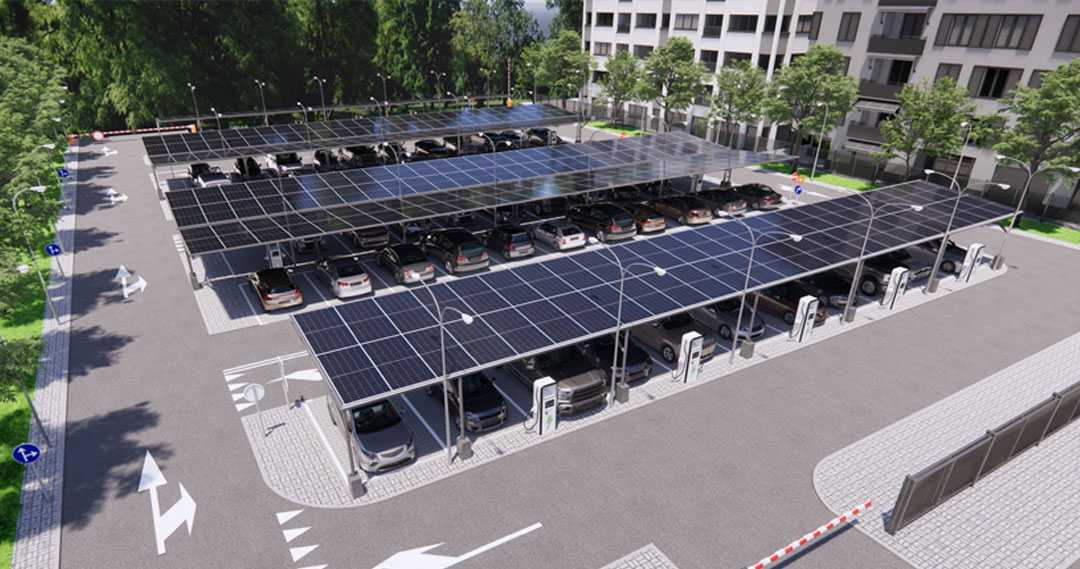
Destination Charging: Top Cities for EVs
Los Angeles leads in EV infrastructure with a large public charging network, including many DC fast chargers. Some areas offer free or discounted parking for EVs while charging. Santa Monica and West Hollywood have a high concentration of chargers.
San Francisco has a dense charger network and plans to expand. The city is streamlining permits for new stations and offers incentives for EV adoption. Expect Level 2 and DC fast chargers, costing $0.30-$0.60 per kWh. Parking can be difficult, but many garages offer dedicated EV spots.
New York City is growing its charger network, but high demand due to density makes finding spots difficult, especially in Manhattan. Costs are typically higher, and parking rules are complex. Brooklyn and Queens are seeing more investment in charging.
Seattle is a top city for EV readiness, with a strong commitment to sustainability and a developed charging network. Expect Level 2 and DC fast chargers at reasonable costs. The city also offers home charging incentives. Austin, Texas, is becoming an EV hotspot, with Tesla's presence and growing EV ownership driving investment in charging infrastructure along major roads.
Attractions & Parks: EV Parking Perks
Popular tourist spots are adding EV chargers. Disney parks, like Disneyland and Walt Disney World, now offer them, though the number is limited. Charging usually costs per kWh, similar to public networks.
Universal Studios Hollywood and Orlando offer EV charging, but availability can be limited during peak seasons. Check park websites or apps for current locations and availability. Major museums, like the Smithsonian in Washington, D.C., are also installing chargers.
National parks are slowly adding EV chargers, but progress is uneven. Yosemite and Yellowstone have limited options, posing a challenge for road trips. Yosemite has few chargers near the Valley, often requiring reservations. Plan routes carefully and check park websites for availability. Some parks offer preferential parking for EVs, even without chargers.
Hotel & Resort Charging: Road Trip Ready
Hotels and resorts with EV charging are a boon for road trips. Major chains like Marriott, Hilton, and Hyatt are adding chargers, though availability varies by location. Newer properties often include them as standard.
Marriott is installing Destination Chargers at select properties through a Tesla partnership, and Hilton is expanding its network. Charging is often not included in room rates and can cost more than public stations. Always confirm charger availability and costs directly with the hotel.
Independent resorts, including boutique hotels and eco-lodges, are adding EV charging to attract eco-conscious travelers. These places often provide a more personalized experience and may offer free charging.
Featured Products
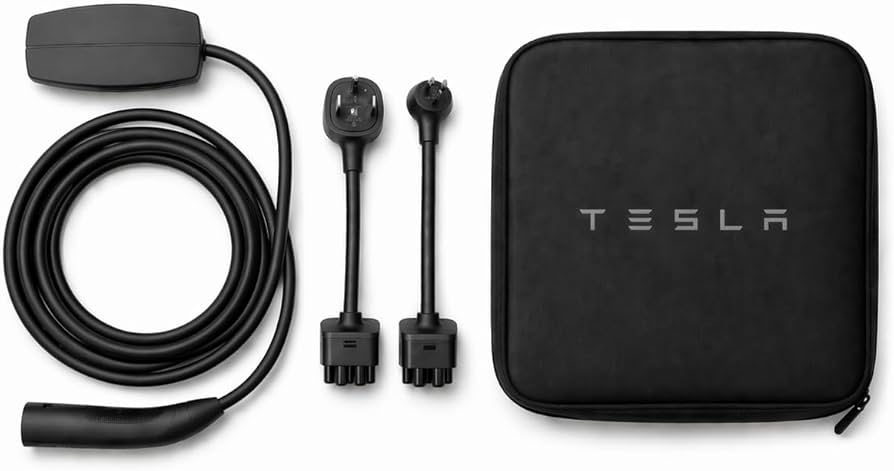
Level 2 charging capability · ETL Certified for safety · 240V, 40 Amp power output
This charger provides a robust and safe Level 2 charging solution, ideal for convenient power-ups at various destinations.

Dual Level 2 and Level 1 charging · Adjustable current from 6-40 Amp · 20ft cable length
Offering versatile charging options and adjustable amperage, this portable unit ensures compatibility and flexibility for EV owners.

Level 2 charging at 32A/7KW · 20FT cable length · 240V operation
This portable charger delivers efficient Level 2 charging for J1772 compatible EVs, making it a practical choice for on-the-go power needs.
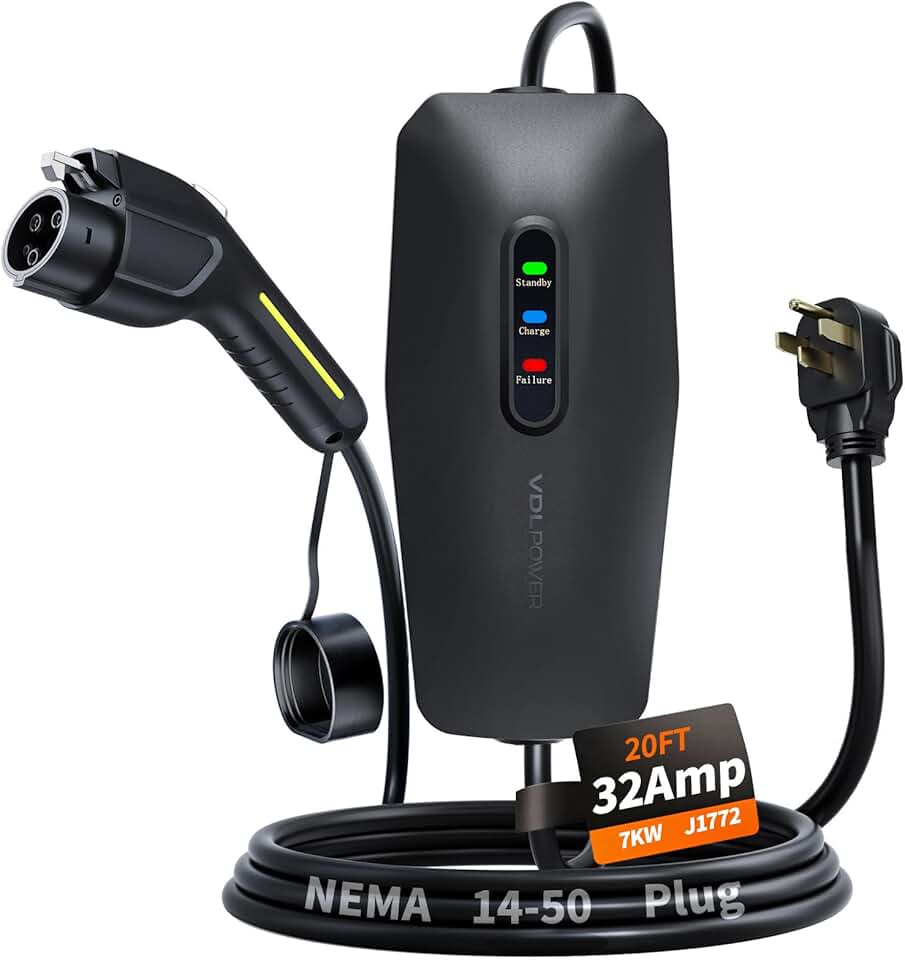
These portable EV chargers offer reliable and convenient charging solutions for electric vehicle owners exploring new destinations, ensuring you stay powered up on the go.
As an Amazon Associate I earn from qualifying purchases. Prices may vary.
Decoding EV Parking Signage & Regulations
Clear signage is essential for EV charging stations. Public chargers need vertical signs identifying them and stating they are for EV charging only, preventing 'ICEing' (gasoline cars blocking spots).
EV charging parking rules vary. Many cities have time limits on charging spots to ensure fair access, even for active charging. Fees may apply, and overstaying can lead to tickets. Always read signage and know local rules.
ICEing is frustrating. Report it to parking enforcement; some cities have hotlines or apps for violations. Consistent enforcement and public awareness are key to keeping spots available.
EasyPark & EV Charging: A Seamless Experience
The EasyPark app simplifies parking, including EV charging. Find nearby stations, filtering by charging level (Level 2, DC fast) and connector type.
The app shows real-time charger availability to prevent wasted trips. Initiate, stop, and pay for charging sessions directly through the app.
EasyPark partners with charging networks to expand coverage and options for EV drivers, aiming to make charging easy and stress-free.
Future Trends: What’s Next for EV Parking?
undefined EV parking is looking dynamic. Wireless charging is a promising technology that could eliminate the need for cables altogether. Imagine simply parking your car and having it automatically start charging. While still in its early stages, wireless charging could become more widespread in the coming years.
Dynamic pricing, adjusting charging costs based on demand, is another trend to watch. This could help manage congestion at popular charging stations and incentivize drivers to charge during off-peak hours. Integration with smart city initiatives is also likely, with EV charging infrastructure becoming part of a broader network of connected devices.
Addressing the challenges of equitable access to charging is crucial. We need to ensure that charging infrastructure is available in all communities, not just affluent areas. Investing in public charging stations and offering incentives for home charging can help bridge the gap. The evolution of EV parking will require collaboration between governments, businesses, and individuals to create a sustainable and convenient charging ecosystem.

No comments yet. Be the first to share your thoughts!