

Plan the route
Parking closer to the stadium entrance almost always costs more. The most reliable way to keep costs down is to park in a lot a few blocks away and use public transit or a short walk. Offsite lots generally cost between $10 and $25, which is significantly less than the premium pricing for stadium-adjacent garages. These outer lots are also less crowded, making entry and exit smoother.
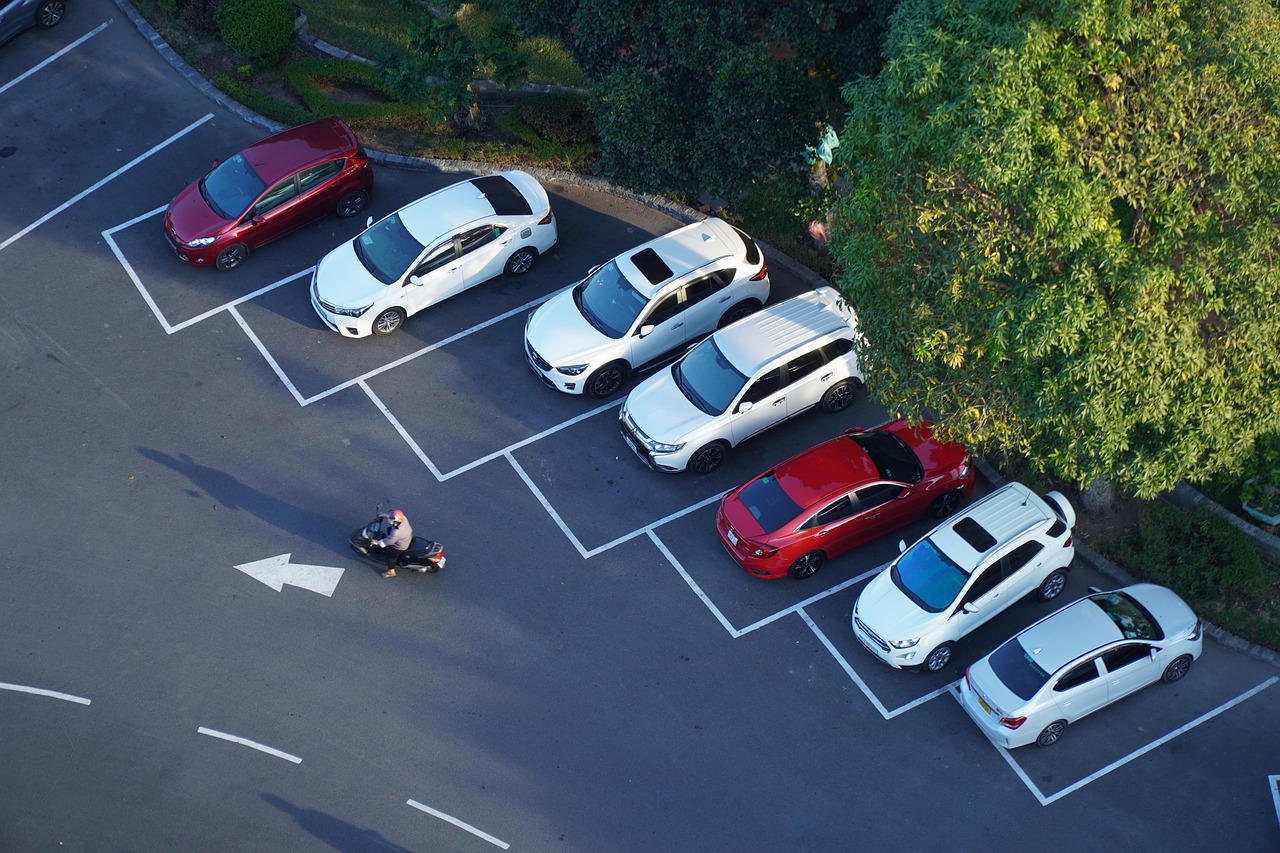
Start by reviewing the stadium’s official parking map to identify the nearest transit stops. Many stadiums offer discounted or free shuttle services from designated offsite lots. Identifying these stops early helps you choose a parking location that aligns with your preferred mode of transport.
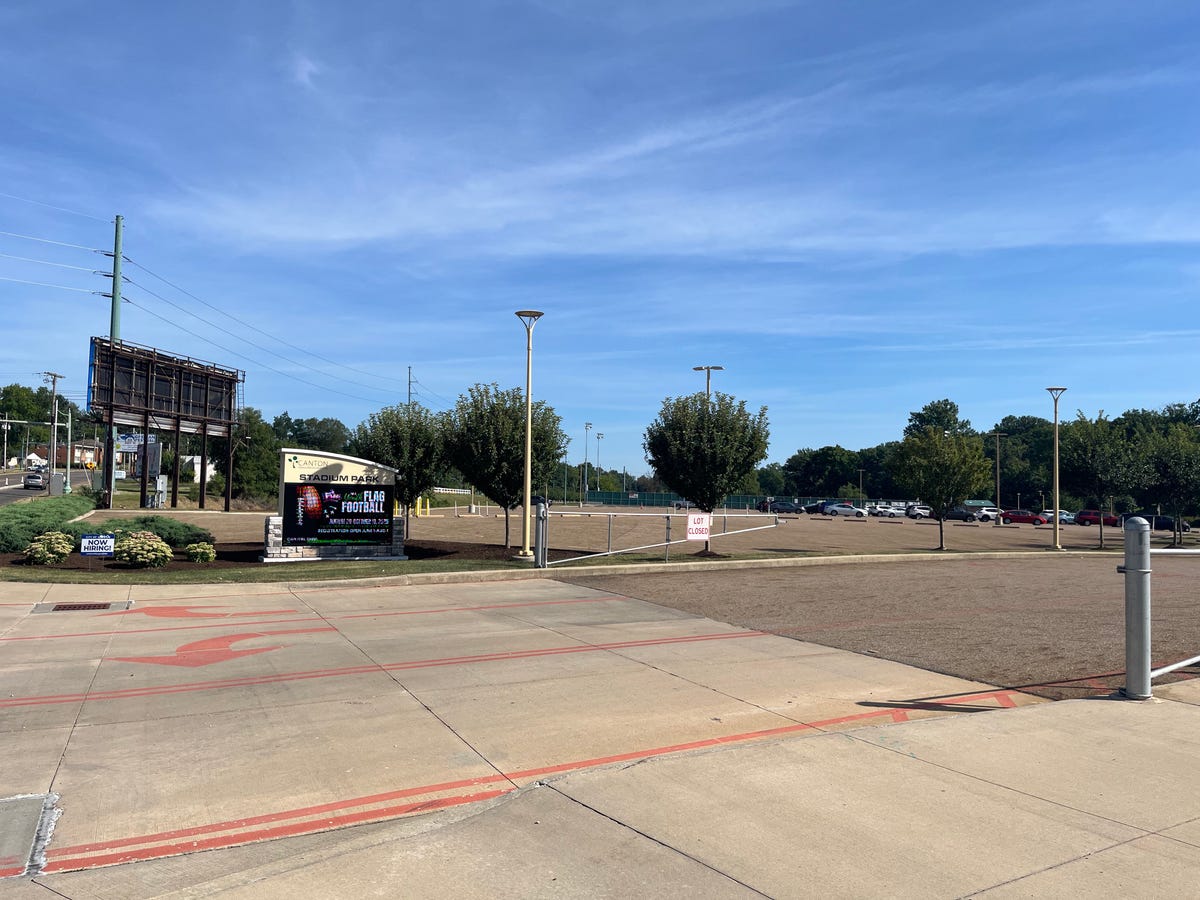
Offsite parking lots located a few blocks away often offer much lower prices. These lots generally cost between $10 and $25, are less crowded, and provide a more relaxed entry experience. Compare rates across multiple offsite providers to find the best deal for your specific event.
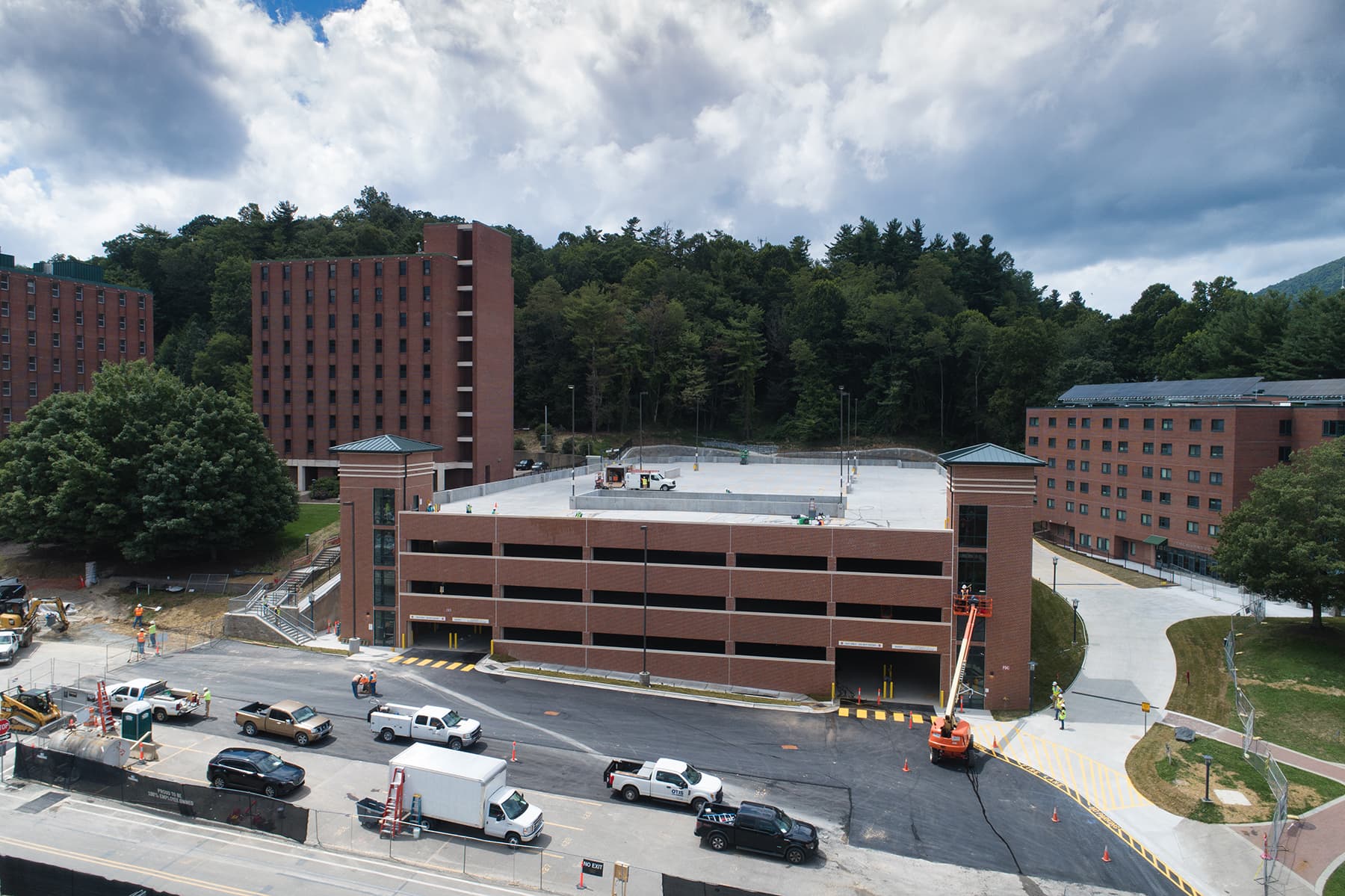
In many cities, light rail or shuttle services run frequently on game days. For example, parking at the garage at 2nd and Union in Seattle lets you take the light rail just a couple of stops to Lumen Field. This approach saves money and avoids the traffic congestion that builds up in the immediate stadium district.
If transit isn’t an option, look for street parking or smaller lots in the surrounding neighborhood. These spots often have lower rates than the main stadium lots. Always verify the time limits and posted signs before leaving your car. Some residential areas restrict parking on game days, so a quick check of local regulations can prevent a costly ticket.
Stops worth prioritizing
Finding affordable parking near a stadium usually means choosing between convenience and cost. The best strategy is to identify offsite lots or street zones that are a short walk away, rather than fighting for a spot in the stadium’s own garage where prices often exceed $50. These peripheral options are generally less crowded and significantly cheaper, typically ranging from $10 to $25.
Offsite parking lots located a few blocks away from the stadium offer much lower prices. They generally cost between $10 and $25, are less crowded, and are...— Way.com
Some venues have dedicated overflow areas that are technically farther but offer a better experience than the main lot. For example, fans attending games at Lincoln Financial Field can use the FDR Park on Pattison Avenue. It is a 20-minute walk from the stadium, but the open space and lower stress levels make it a worthwhile trade-off for many drivers.
For those in Seattle, the garage at 2nd and Union near the Triple Door is a solid mid-range option. From there, you can take the light rail just a couple of stops to reach Lumen Field. This approach bypasses the immediate stadium traffic and gives you a predictable travel time regardless of how long the post-game lines are.
| Parking Option | Est. Cost | Walk/Transit | Best For |
|---|---|---|---|
| Offsite Lots | $10–$25 | 5–10 min | Budget seekers |
| Stadium Garages | $40–$70 | 2–5 min | Last-minute arrivals |
| Overflow Parks | $10–$20 | 15–20 min | Stress-free walks |
| Transit Hubs | $15–$25 | 10 min + ride | Traffic avoidance |
When deciding where to stop, look for side streets off major avenues. In Philadelphia, for instance, using Spothero to reserve a spot near an exit is reliable, but checking side streets off Broad Street can sometimes yield free or very cheap street parking if you arrive early enough.
Timing and logistics
Parking near a stadium is less about finding a spot and more about managing the flow of thousands of cars arriving simultaneously. The most expensive options are usually the lots closest to the gates, where prices can spike well above $50 for a single game. To avoid that premium, look for offsite parking lots located a few blocks away. These garages typically cost between $10 and $25, are significantly less crowded, and often include shuttle services or are within a comfortable walking distance.
Timing your arrival is equally critical. If you drive, aim to arrive at least 90 minutes before kickoff. This buffer accounts for security lines and the inevitable congestion on approach roads. Public transit is often the smarter logistical choice. For example, parking at the garage at 2nd and Union in Seattle and taking the light rail a couple of stops to Lumen Field is often faster and cheaper than driving directly to the stadium district.
Reservations are becoming standard for both garages and shuttle services. Booking your parking spot online in advance can lock in lower rates and guarantee a space, especially for major events. Without a reservation, you risk circling blocks or being turned away from full lots. Always check the stadium’s official transportation page for real-time updates on road closures and shuttle schedules, as these can change based on event size and local traffic patterns.
No comments yet. Be the first to share your thoughts!