


What the budget buys
A low parking price rarely means a short walk. In major league markets, the cheapest spots are often tucked into industrial lots or residential neighborhoods that require a 20- to 30-minute trek to the turnstiles. You are trading time for money. If you arrive late, those budget lots fill up fast, and you may end up circling the block or paying premium rates at the last available garage.
The tradeoff extends to security and comfort. Free or cheap street parking often comes with strict enforcement and limited lighting. You are responsible for your own vehicle’s safety in unfamiliar areas. In contrast, official stadium garages, while more expensive, offer covered parking, better security presence, and direct access to public transit lines like the subway or light rail.
Consider the total cost of ownership. If you live near a stadium, a monthly permit might be the only way to secure a spot at Yankee Stadium or Citi Field, as general lots reach capacity quickly. For occasional visitors, the "budget" option might actually be a pre-paid pass booked weeks in advance. Always check the specific stadium’s parking page before game day, as policies change annually. The cheapest option today might be sold out tomorrow.
Models worth checking first
Free Parking Near Major League Baseball Stadiums works best as a sequence, not a pile of settings. Do the minimum first: confirm compatibility, connect the primary device, update only when needed, and test the result before adding optional features. That order keeps the task understandable and makes failures easier to isolate. After each step, pause long enough for the device or app to finish syncing. Many setup problems are timing problems disguised as configuration problems. If the same step fails twice, record the exact error, restart the smallest affected piece, and retry before moving deeper.
| Factor | What to check | Why it matters |
|---|---|---|
| Fit | Match the option to the primary use case. | A good deal still fails if it does not fit the job. |
| Condition | Verify age, wear, and service history. | Hidden condition issues erase upfront savings. |
| Cost | Compare purchase price with likely upkeep. | The cheapest option is not always the lowest-cost option. |
Check before you buy
Finding a free spot is only half the battle; securing it requires a quick reality check. The difference between a smooth arrival and a stressful walk to the gate often comes down to verifying current conditions and capacity rules. Use this checklist to filter out dead ends before you start driving.
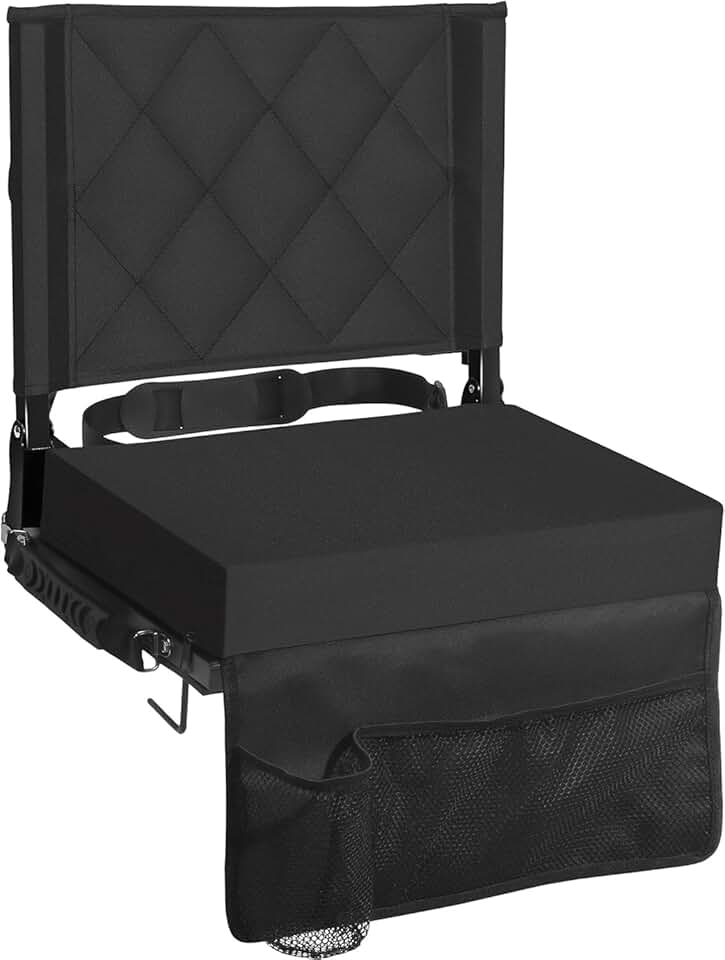

As an Amazon Associate, we may earn from qualifying purchases.
Costs that change the math
A free parking spot near the ballpark sounds like a win, but the hidden costs of ownership often eat into those savings. When you factor in the wear and tear on your vehicle, the time spent hunting for a legal spot, and the risk of tickets or towing, the "free" option can quickly become the most expensive way to attend a game.
Maintenance surprises are the biggest budget breaker. Parking on residential streets near older stadiums often means dealing with street sweeping, construction zones, or uneven pavement that can damage tires and alignments. Unlike a dedicated lot with marked spaces, you are navigating unpredictable urban infrastructure. A single alignment repair or tire replacement can cost more than a season of paid parking at a secure facility.
Time is also a currency. Arriving 90 minutes early to find a legal spot means less time in the concourse and more stress before the first pitch. As stadiums get more sophisticated, many teams are introducing pre-pay systems to manage demand. For example, the New York Mets now encourage pre-paying to save a spot and reduce on-site congestion, while the Yankees direct drivers with Premium Parking Passes to specific garages to manage capacity at the 164th Street Garage. These systems reward planning and penalize the last-minute driver.
When a cheap buy stops being cheap is a question of total cost of ownership. If you are driving a luxury vehicle or have tight schedules, the risk of a ticket or the hassle of circling blocks is rarely worth the $0 upfront cost. For most fans, the predictability of a paid lot—where you know the price, the time, and the security—is a better value than the uncertainty of "free" street parking.
Common questions about free parking near MLB stadiums
Finding free parking near major league baseball stadiums requires strategy, not luck. Most teams operate their own lots with fixed game-day rates, but you can often save money by parking a few blocks away or using off-peak timing.
Is there truly free parking at MLB stadiums?
True free parking inside stadium lots is rare. Teams like the Mets now offer pre-payment options to save on costs, but standard guest parking still carries a fee. The real "free" option usually involves street parking or public garages in surrounding neighborhoods, provided you check for time limits and street cleaning schedules.
Can I park for free all day at Yankee Stadium or Citi Field?
No. Yankee Stadium’s 164th Street Garage fills quickly, and premium passes take priority. Citi Field lots open 2.5 hours before kickoff with set rates. Free street parking is possible in nearby Queens or Bronx neighborhoods, but you must move your car before the posted time limit expires, often within 2-3 hours.
How far should I walk to save on parking?
Walking 10-15 minutes from the stadium often unlocks free street spots. For example, parking near Citi Field in Flushing Meadows or around Yankee Stadium in the Bronx allows you to avoid the $50+ lot fees. Use a parking app to verify real-time availability before committing to a spot.
Do I need to pre-pay for parking?
Pre-paying is optional but recommended for popular games. It guarantees a spot and often locks in a lower rate. Without pre-payment, you risk finding the lot full or paying a higher walk-up price. Always check the team’s official parking page for the most current rules.
No comments yet. Be the first to share your thoughts!