

EV charging and parking: the 2026 outlook
The electric vehicle market is poised for significant growth in the next few years. Projections estimate that EVs will represent a substantial portion of new car sales by 2026, and with that comes a much greater need for accessible charging infrastructure. It isn’t just about the cars themselves; it's about the experience of owning and driving one, and a major part of that is confident access to charging when and where you need it.
This demand is starting to be reflected in regulations. For example, New Jersey implemented a statewide ordinance in September 2021 requiring EV charging stations or infrastructure in new parking lots and garages. You see similar initiatives popping up across the country, driven by a recognition that supporting EV adoption means proactively planning for charging needs.
I’ve noticed a real shift in conversations with EV drivers. It’s no longer just about range anxiety; it’s about "charge anxiety’ – the worry of getting to a destination and finding all the chargers occupied, or worse, out of service. This is why planning ahead and understanding your options for EV charging parking is more important than ever. It"s a situation that will only become more common as the EV revolution continues.
The increasing number of EVs on the road is putting a strain on existing charging infrastructure. We're seeing a need for more chargers, faster chargers, and better integration with parking facilities. This isn’t just a convenience issue; it’s a matter of enabling the transition to a sustainable transportation future.
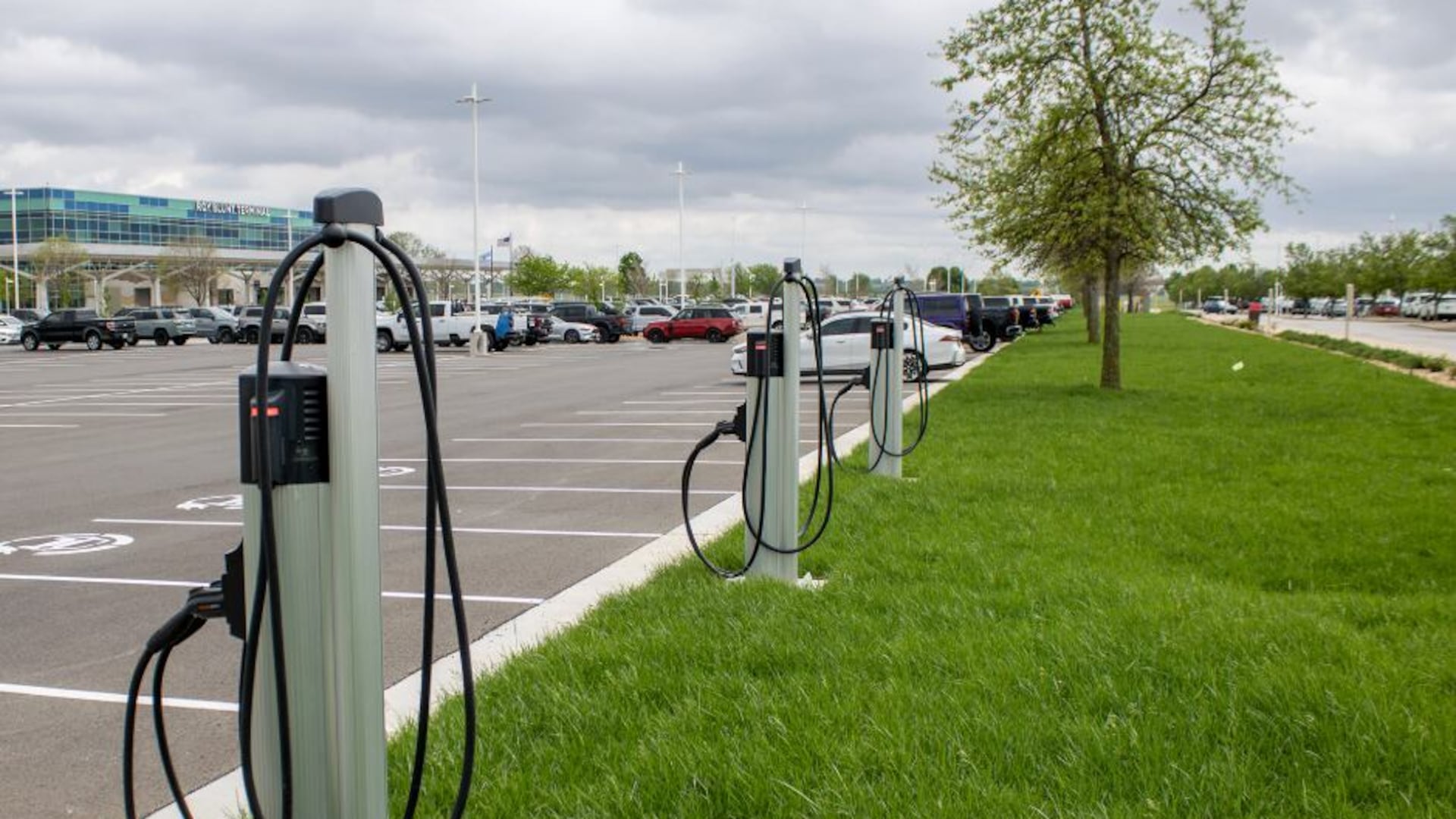
Top EV-friendly destinations
Finding destinations that prioritize EV charging is becoming easier. Some places are making a genuine effort to accommodate EV drivers. Here are a few examples where you can expect a smoother charging experience.
Disney World, Florida: Disney has been steadily increasing its EV charging infrastructure across its resorts and theme parks. They offer a mix of Level 2 and DC fast chargers, with varying parking fees depending on the location. Expect to find around 200+ charging stations spread throughout the property.
The Mall of America, Minnesota: This massive shopping complex boasts over 80 EV charging stations, including Tesla Superchargers. Parking is generally free with charging, but it can get crowded, especially during peak hours. It’s a good spot for a longer charging session while you shop.
Yosemite National Park, California: Yosemite is expanding its charging network, currently offering a mix of Level 2 and DC fast chargers at various locations within the park. Parking fees apply, but the convenience of charging while enjoying the park is a huge plus. Be aware that availability can be limited during peak season.
Las Vegas Strip, Nevada: Many hotels on the Las Vegas Strip are now installing EV chargers, often offering complimentary charging to guests. The number of stations varies by hotel, so it’s best to check with your accommodation beforehand. Parking costs are standard for the area.
San Francisco International Airport (SFO), California: SFO has a dedicated EV charging area in its parking garages, with a mix of Level 2 and DC fast chargers. Parking rates apply, but it’s a convenient option for travelers with EVs. There are around 100+ charging stations.
New York City, New York: While parking in NYC is notoriously difficult, the city is increasing its EV charging infrastructure. You'll find stations in parking garages throughout Manhattan, Brooklyn, and Queens. Expect to pay premium parking rates, but the convenience can be worth it.
Seattle-Tacoma International Airport (SEA), Washington: SEA offers a good number of EV charging stations in its parking garages, with both Level 2 and DC fast charging options. Parking fees apply, but it’s a solid choice for travelers. They currently have over 60 stations.
Great Smoky Mountains National Park, Tennessee/North Carolina: Similar to Yosemite, this park is investing in EV infrastructure, offering a growing number of charging stations at visitor centers and campgrounds. Parking fees apply, and availability can be limited.
These destinations aren’t perfect – you’ll still encounter potential wait times and occasional out-of-service chargers – but they represent a positive trend toward EV-friendly travel. It’s also worth checking apps like PlugShare to see real-time availability and user reviews.
Featured Products

Portable NACS charger · Level 2 charging · Up to 32A charging speed
This portable EV charger offers reliable backup power and convenient charging solutions for destinations where charging infrastructure may be limited or for unexpected needs.
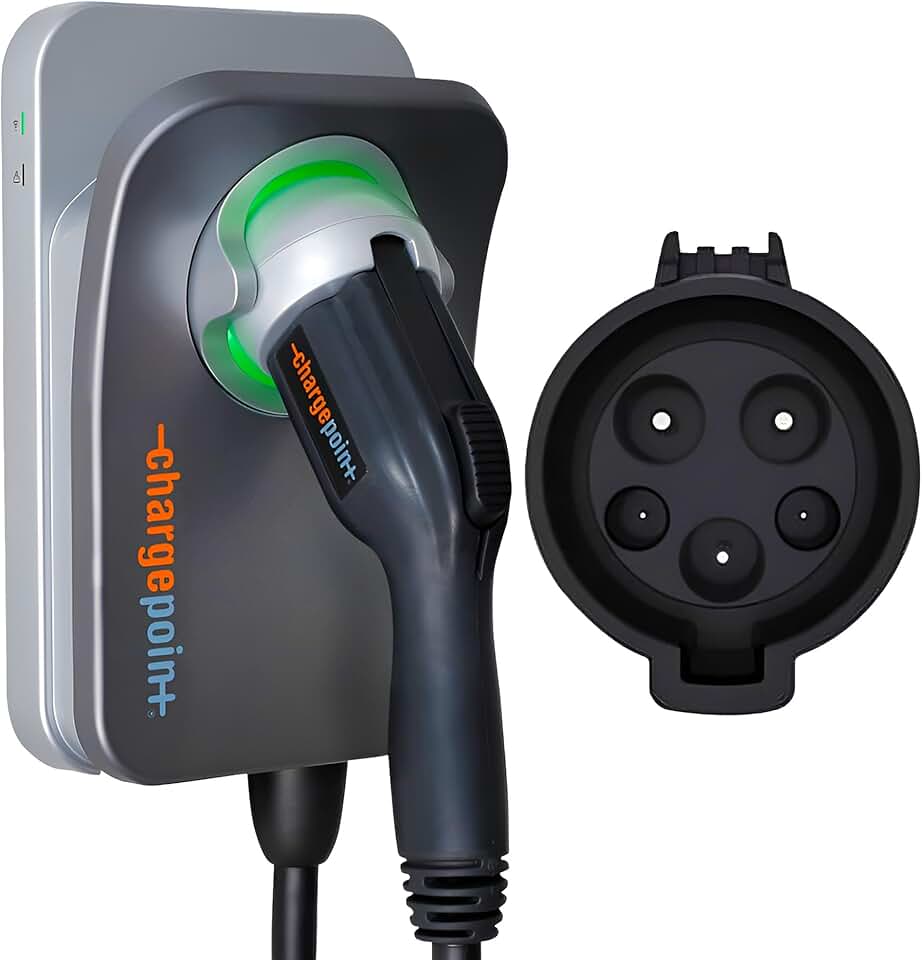
HomeFlex Level 2 charger · Smart charging capabilities · Hardwired installation
This portable EV charger offers reliable backup power and convenient charging solutions for destinations where charging infrastructure may be limited or for unexpected needs.

Level 2 EV charger · Up to 40A charging speed · Indoor/outdoor use
This portable EV charger offers reliable backup power and convenient charging solutions for destinations where charging infrastructure may be limited or for unexpected needs.
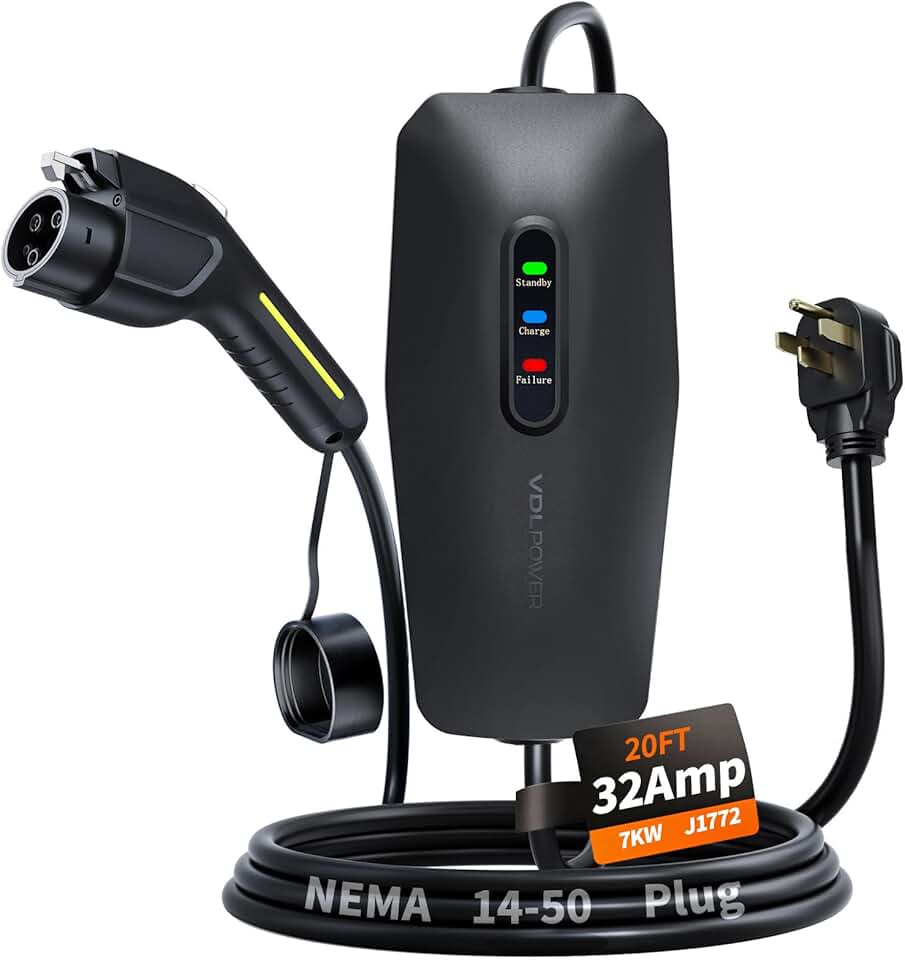
Level 2 portable charger · 32A/7KW charging speed · 20ft cable
This portable EV charger offers reliable backup power and convenient charging solutions for destinations where charging infrastructure may be limited or for unexpected needs.

Portable Level 2 & Level 1 charger · Adjustable current (6-40A) · 20ft cable
This portable EV charger offers reliable backup power and convenient charging solutions for destinations where charging infrastructure may be limited or for unexpected needs.
As an Amazon Associate I earn from qualifying purchases. Prices may vary.
Understanding charging networks
Navigating the world of EV charging networks can be confusing. Several major players dominate the market, each with its own strengths and weaknesses. Understanding these differences is crucial for a smooth charging experience.
Tesla Supercharger: Primarily for Tesla vehicles, the Supercharger network is known for its reliability and speed. However, Tesla is gradually opening up its network to non-Tesla EVs, but with varying access and pricing. It's still the gold standard in terms of speed and convenience, but access is evolving.
Electrify America: This network is one of the largest DC fast-charging networks in the US, offering charging speeds up to 350kW. They’ve been expanding rapidly, but reliability has been a concern for some users. Pricing varies based on speed and membership status.
ChargePoint: ChargePoint operates a vast network of Level 2 chargers, often found in workplaces and shopping centers. They also have some DC fast chargers, but they’re less common. ChargePoint often uses a pay-per-kWh model, and pricing can vary widely.
EVgo: EVgo focuses on DC fast charging and has a strong presence in several major cities. They offer subscription plans and pay-as-you-go options. Like Electrify America, reliability can be an issue at times.
Interoperability is increasing, meaning you can often use one network’s app to find and pay for charging on another network. However, it’s not always seamless, and it’s still best to have accounts set up with multiple networks for maximum flexibility. I’ve found having the PlugShare app is incredibly helpful for seeing all available options in one place.
Electric Vehicle Charging Network Comparison - 2026
| Network Name | Geographic Coverage | Pricing Structure | Reported Reliability | App Experience |
|---|---|---|---|---|
| Tesla | Extensive, particularly along major travel corridors | Primarily pay-per-use, with Supercharger membership options | Generally Good | Easy, integrated with vehicle |
| Electrify America | Growing, focused on highway corridors and urban centers | Pay-per-use, with potential subscription plans | Moderate, some reports of station downtime | Moderate, improving regularly |
| ChargePoint | Widest coverage, including many workplace and retail locations | Pay-per-use, with monthly subscription options available | Fair, variable based on location and maintenance | Moderate, can be complex for first-time users |
| EVgo | Concentrated in metropolitan areas, expanding rapidly | Pay-per-use, with membership discounts | Fair, reports of congestion at popular locations | Moderate, functional but not always intuitive |
| Blink Charging | Increasing, often found in parking garages and shopping centers | Pay-per-use, with subscription options | Lower, frequent reports of out-of-order stations | Difficult, often requires multiple accounts/apps |
Qualitative comparison based on the article research brief. Confirm current product details in the official docs before making implementation choices.
EV parking rules and perks
Many cities and businesses are recognizing the benefits of incentivizing EV adoption through parking policies. The Alternative Fuels Data Center provides information on signage and regulations related to EV charging and parking across different states. It’s a good resource to check for your specific location.
Dedicated EV parking spots are becoming increasingly common, particularly in urban areas. These spots are often reserved for EVs only and may come with preferential parking rates or longer time limits for charging. However, enforcement can be inconsistent, and it’s frustrating to see gas-powered cars parked in these spaces.
Some cities offer free or discounted parking for EVs while they are actively charging. Others provide permits that allow EVs to park in restricted areas. It’s important to research the specific regulations in your area to take advantage of any available perks.
I’ve noticed a growing trend of businesses offering free charging to customers. This is a great way to attract EV drivers and promote sustainability. However, availability can be limited, and it’s often on a first-come, first-served basis. It's also important to be mindful of charging etiquette – moving your car once it’s fully charged to allow others to use the station.
Finding free charging
Who doesn’t love free charging? While it’s not always easy to find, there are several places where you can potentially charge your EV without paying a fee. Workplaces are a great starting point – many companies are now installing EV chargers for their employees.
Hotels are another potential source of free charging, particularly those catering to business travelers. Some shopping centers and public libraries also offer free charging as a customer amenity. Apps like PlugShare and ChargeHub can help you locate these hidden gems.
However, it’s important to be realistic about availability. Free charging spots can be crowded, and you may have to wait for a station to become available. It’s also worth noting that some free charging stations may be slower than paid chargers.
Don't rely solely on free charging when planning a trip. It’s always a good idea to have a backup plan and budget for paid charging just in case. Free charging is a nice bonus, but it shouldn’t be your primary charging strategy.
Planning an EV road trip
Planning an EV road trip requires a bit more forethought than a traditional gas-powered road trip. You need to factor in charging stops, charging times, and potential delays. Route planning apps are your best friend.
A Better Routeplanner (ABRP) is a popular choice, specifically designed for EV road trips. It takes into account your car’s range, charging speed, and elevation changes to create an optimal route with charging stops. PlugShare is another excellent resource, allowing you to see real-time availability and user reviews of charging stations.
It’s crucial to factor in charging time when estimating your travel time. DC fast charging can take anywhere from 30 minutes to an hour, depending on your car and the charger’s speed. Level 2 charging can take several hours, so it’s best suited for overnight charging or longer stops.
Always have a backup plan in case a charging station is unavailable or out of service. Identify alternative charging stations along your route and be prepared to adjust your plans if necessary. A little preparation can go a long way in ensuring a stress-free EV road trip.
EV charging etiquette
A little common courtesy can make a big difference in the EV community. Once your car is fully charged, please move it promptly to allow others to use the station. Don't hog the charger!
Avoid blocking charging stations with your car, even if you’re just running a quick errand. Be mindful of other EV drivers and their charging needs. Let’s all work together to create a positive and collaborative charging experience.
No comments yet. Be the first to share your thoughts!