

The reality of EV parking in 2026
Global EV sales hit 10.5 million in 2022, making up 14% of new car sales according to the International Energy Agency. While the growth is steady, the infrastructure is struggling to keep up. For most drivers, the stress isn't just about finding a plug—it's about finding a parking spot that actually has one available.
Range anxiety remains a significant barrier to entry for potential EV buyers, and the availability of charging infrastructure directly impacts how comfortable people feel making the switch. Beyond just having chargers, the ease of finding available spots and managing payment adds another layer of complexity. This is where 'smart' parking solutions come into play, aiming to streamline the entire experience.
Smart parking isn't just about more plugs. It's about apps that show real-time availability and handle payments in one go. We're moving toward systems that tell you where to go before you arrive, rather than forcing you to circle the block hoping for an open stall.
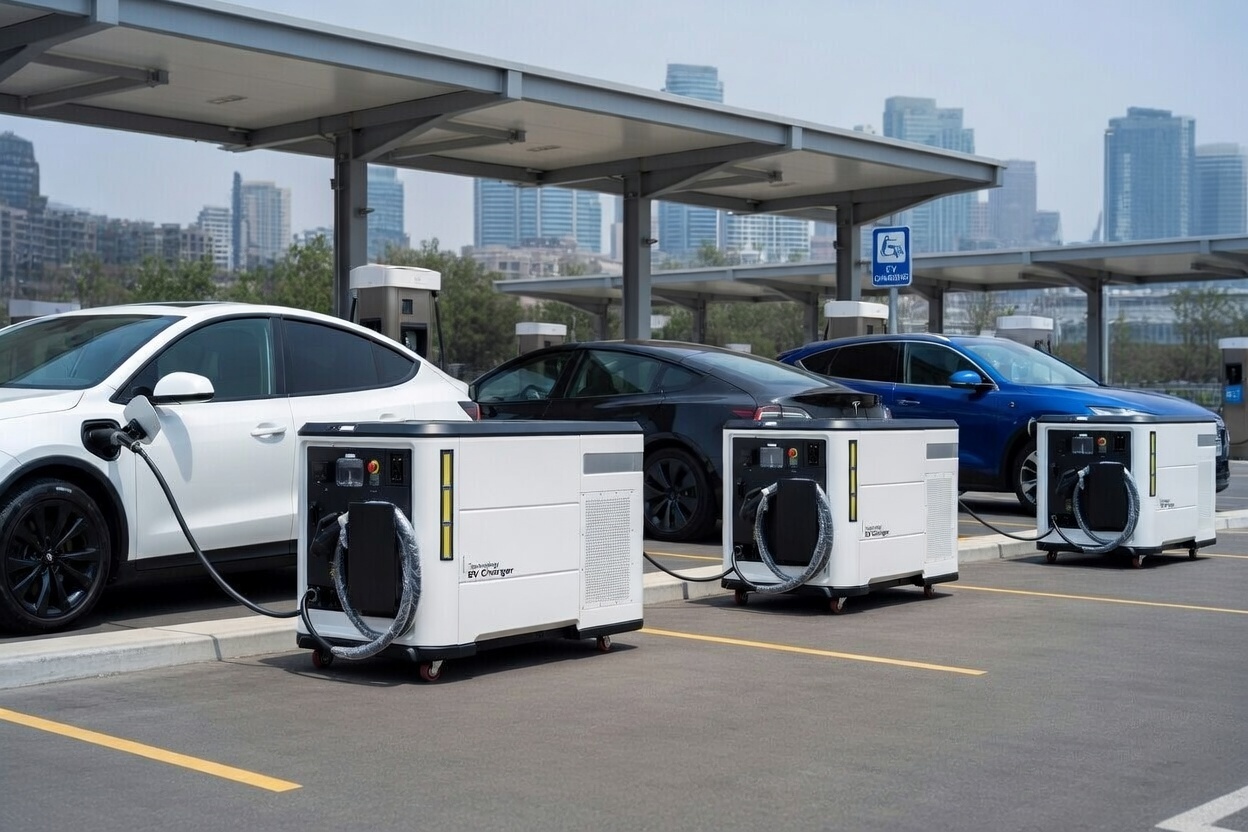
Cities getting EV parking right
Some cities are leading the charge – no pun intended – when it comes to supporting EV drivers. These aren’t just places with a high density of EVs, but cities actively investing in infrastructure and creating policies that encourage electric mobility. Here’s a look at some of the frontrunners as of late 2025/early 2026.
Oslo, Norway, consistently ranks as a global leader in EV adoption. As of Q3 2025, the city boasts over 1,200 public charging points and a significant percentage of parking spaces dedicated to EVs, often with discounted rates. The city’s ambitious goal of phasing out fossil fuel vehicles by 2025 has driven substantial investment in charging infrastructure.
Amsterdam, Netherlands, is another strong contender. The city has over 6,500 public charging points and offers various incentives for EV owners, including exemptions from certain parking fees. Amsterdam is also experimenting with innovative solutions like wireless charging in parking garages. They are actively promoting sustainable transport and integrating charging into urban planning.
California, particularly cities like Los Angeles and San Francisco, are making significant strides. California has over 70,000 public chargers, and many cities offer preferential parking for EVs. Los Angeles, for example, has implemented a program to install charging stations in underserved communities. The state’s ambitious climate goals continue to push for greater EV adoption.
London, UK, is rapidly expanding its charging network, with over 11,000 public charging points as of December 2025. The city offers incentives like reduced congestion charges for EVs and is investing heavily in rapid charging infrastructure. They’re also piloting smart charging solutions to manage grid load.
Vancouver, Canada, stands out for its commitment to sustainable transportation. The city has a growing network of public charging stations and offers incentives for both residential and commercial EV charging installations. Vancouver is aiming to become a zero-emission city by 2040.
Seoul, South Korea, is making impressive progress in EV infrastructure. The city has a high density of charging stations – over 20,000 publicly accessible chargers – and offers various incentives to EV owners, including reduced parking fees and tax benefits. Seoul is focused on integrating EVs into its smart city initiatives.
Paris, France, is aggressively expanding its charging network, with plans to install over 6,000 public charging points by the end of 2026. The city offers incentives like free parking for EVs and is promoting the use of electric taxis and buses. Paris is aiming to ban gasoline-powered vehicles from the city center by 2030.
Stockholm, Sweden, is another Scandinavian city prioritizing EV adoption. It has a well-developed charging infrastructure, with over 2,500 public charging points, and offers incentives like reduced parking fees and access to bus lanes for EVs. Stockholm is committed to becoming a fossil-fuel-free city.
Copenhagen, Denmark, is a leader in sustainable urban living and is actively promoting EV adoption. The city has a growing network of charging stations and offers incentives like free parking for EVs in certain areas. Copenhagen is focused on creating a pedestrian and cyclist-friendly city with a strong emphasis on electric mobility.
New tech in the parking stall
The future of EV parking isn’t just about more chargers; it’s about smarter chargers and more intelligent parking management. Real-time parking availability information is becoming increasingly common, thanks to sensors and data analytics. Apps like EasyPark are already integrating this data, allowing drivers to find available spots quickly and easily.
Dynamic pricing is another emerging trend. Parking costs can fluctuate based on demand, time of day, and even the charging needs of your vehicle. This incentivizes off-peak charging and helps manage grid load. Reservation systems are also gaining popularity, allowing drivers to guarantee a parking spot and charging availability in advance.
Vehicle-to-grid (V2G) technology is perhaps the most exciting, but also the most nascent, development. V2G allows EVs to not only draw power from the grid but also return power, essentially using your car as a mobile energy storage unit. While still in its early stages, V2G has the potential to stabilize the grid and reduce energy costs. It requires specialized chargers and grid infrastructure, but pilot programs are underway in several countries. The success of these technologies hinges on seamless integration and user-friendly interfaces.
How to find cheaper spots
Parking can be expensive, and adding the cost of charging can make it even more so. Fortunately, there are several strategies EV drivers can use to save money. Utilizing off-peak charging rates is a great starting point – many charging stations offer lower prices during off-peak hours.
Free charging stations are still available, though becoming less common. Websites and apps like PlugShare and ChargeHub list free charging locations. Employer-sponsored charging programs are another option if your workplace offers them. Exploring monthly parking passes, particularly in urban areas, can often be more cost-effective than paying daily rates.
Comparing parking costs across different apps and providers is essential. EasyPark, for example, allows you to compare prices and pay for parking in multiple cities. Keep an eye out for government subsidies and tax credits for EV charging, which can help offset the cost. In some regions, you may be eligible for rebates or incentives for installing a home charger.
Destination Deep Dives: Popular Spots
If you're planning a trip in 2026, these specific spots have the most reliable setups, though it's still smart to check the app before you arrive.
Yosemite National Park, California: Yosemite has a growing network of charging stations, with several located in the Yosemite Valley. As of January 2026, there are 12 Level 2 chargers available at the Yosemite Valley Lodge, costing $0.50 per kWh. Parking with charging is first-come, first-served.
Walt Disney World, Florida: Disney World offers EV charging stations at several of its resort hotels and theme parks. There are approximately 70 Tesla Superchargers and 50 Level 2 chargers across the property. Charging is typically free for guests, but availability can be limited during peak season.
Los Angeles International Airport (LAX): LAX has a dedicated EV charging area in Parking Structure 26, with over 100 Level 2 chargers. Charging costs vary, but typically range from $0.35 to $0.50 per kWh. Reservations are recommended during peak travel times.
Madison Square Garden, New York City: MSG has a limited number of EV charging stations in nearby parking garages. Availability is often limited, and reservations are highly recommended. Costs vary depending on the garage, but expect to pay a premium for parking in this area.
Grand Canyon National Park, Arizona: The Grand Canyon has a small but growing network of charging stations. There are currently 8 Tesla Superchargers and 6 Level 2 chargers at the Grand Canyon Visitor Center. Charging is free, but availability is limited.
Seattle-Tacoma International Airport (SeaTac): SeaTac offers EV charging stations in its parking garages, with over 50 Level 2 chargers available. Charging costs vary, but typically range from $0.40 to $0.60 per kWh. Reservations are available through the airport’s website.
What comes next
The evolution of EV parking is far from over. Automated parking systems, which use robots to park and retrieve vehicles, could become more widespread, maximizing space utilization. Wireless charging, while still in development, offers the potential for convenient and cable-free charging in parking spaces.
The integration of parking with smart city initiatives is another key trend. Data analytics can be used to optimize parking availability, reduce congestion, and manage energy demand. We may also see the emergence of more sophisticated parking apps that offer personalized recommendations and integrated payment options. While predicting the future is always difficult, it’s clear that technology will continue to play a crucial role in shaping the future of EV parking.
Home Charging vs. Public Charging for EV Owners
| Feature | Home Charging | Public Charging |
|---|---|---|
| Cost | Medium - Typically lower overall cost due to off-peak electricity rates, but requires initial investment in equipment. | Medium to High - Pricing varies significantly based on provider, speed, and location. Can be more expensive than home charging. |
| Convenience | High - Most convenient option; charge overnight at your residence. | Medium - Convenience depends on charger availability and proximity to your destination. |
| Speed | Low to Medium - Charging speed is limited by home electrical capacity. Level 2 chargers are common. | Low to High - Speed varies greatly; Level 2 chargers are common, but DC fast chargers offer significantly quicker charging. |
| Reliability | High - Generally very reliable, as you control the charging setup and electricity source. | Medium - Reliability depends on the charging network and maintenance of the charging station. |
| Accessibility | Low - Limited to your home or property. | High - Widely accessible in many cities and along major travel routes, though availability can vary. |
Illustrative comparison based on the article research brief. Verify current pricing, limits, and product details in the official docs before relying on it.
Featured Products
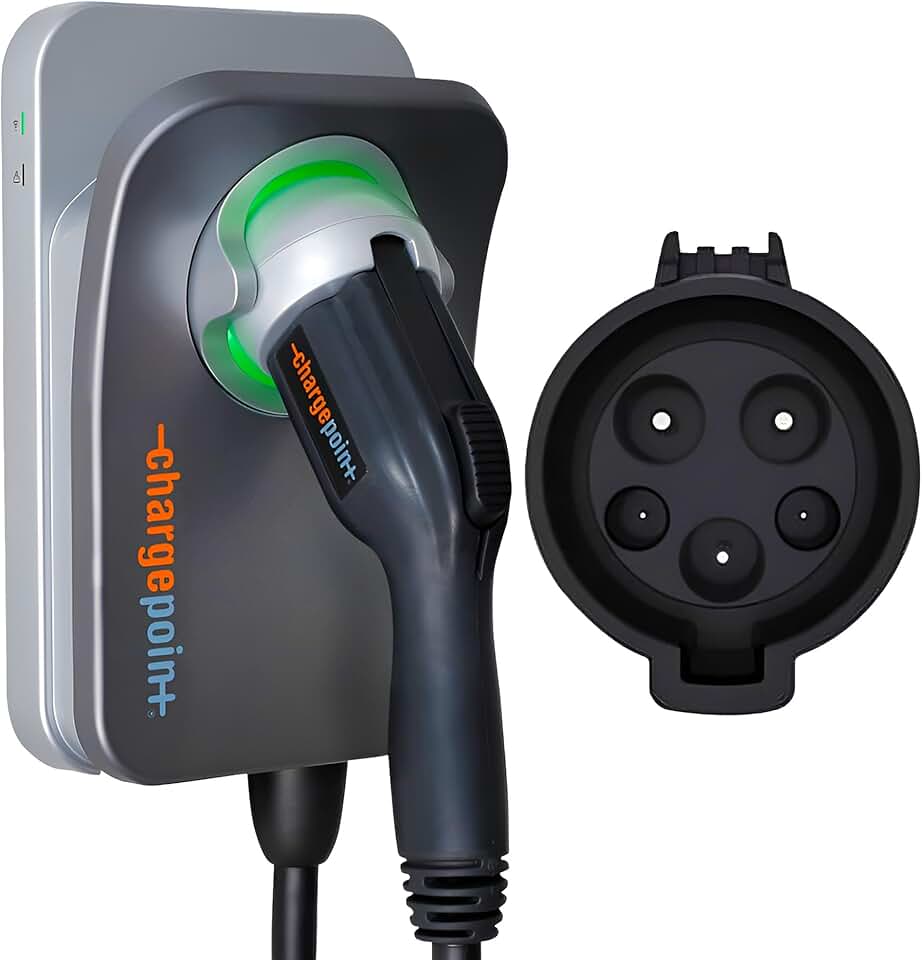
Level 2 charging for faster home charging · Smart charging capabilities for scheduling and monitoring · J1772 connector compatible with most EVs
This charger provides smart, fast charging at home, ensuring your EV is ready for any trip to an EV-friendly destination.

Level 2 charging up to 48A for rapid charging · NACS connector (Tesla proprietary, adapter may be needed for non-Tesla EVs) · UL Certified and Energy Star Partner for efficiency and safety
The Tesla Wall Connector offers powerful and efficient charging for Tesla vehicles, integrating seamlessly with their ecosystem for convenient travel.

Level 2 charging up to 40 Amp · Suitable for indoor and outdoor use · Flexible 25-foot cable for versatile placement
This versatile charger is ideal for both home and public charging, offering robust performance and durability for EV owners on the go.

Level 2 charging at 40 Amp (9.6kW) · Suitable for indoor and outdoor use · 25ft cable with J1772 connector
An affordable and effective Level 2 charging solution, this charger makes it easy to power up your EV at home or at designated parking spots.
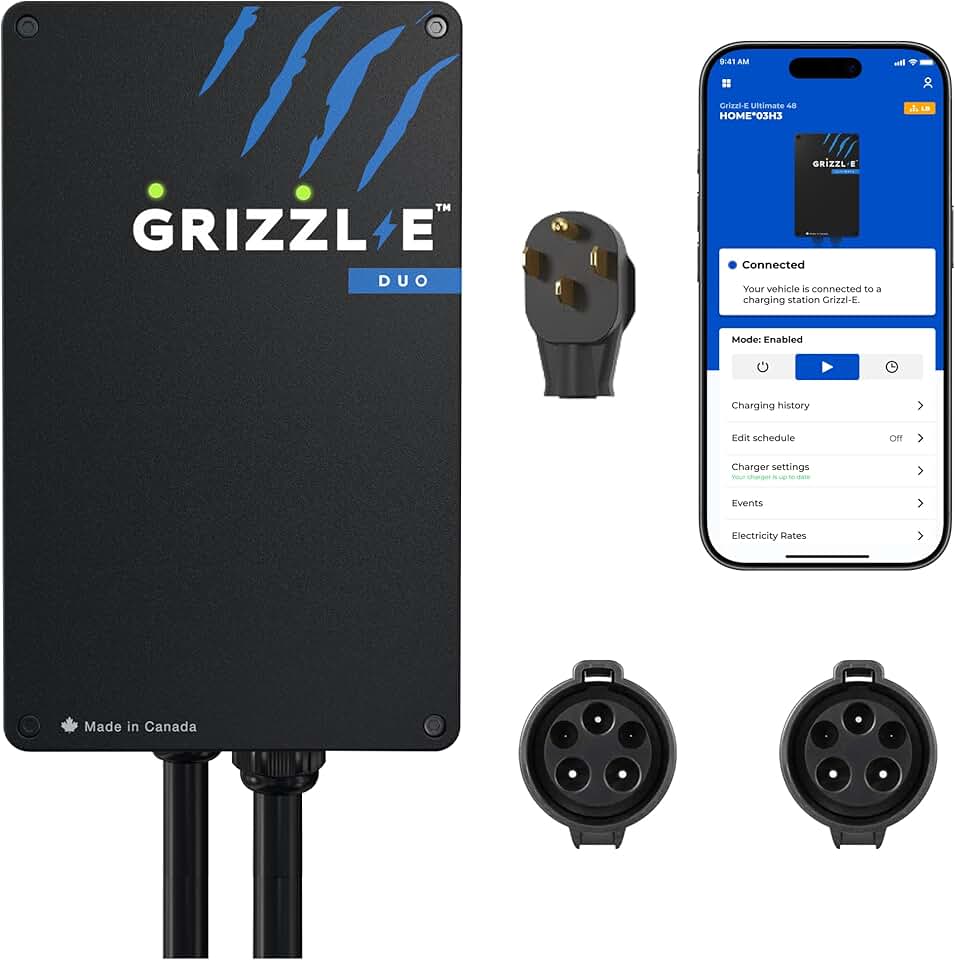
Dual charging capability (Duo model) · Level 2 charging at 40A (9.6kW) · UL Tested and Certified for safety and reliability
The Grizzl-E Duo Connect offers robust and reliable charging, with the added benefit of dual charging ports for added convenience at EV-friendly locations.
As an Amazon Associate I earn from qualifying purchases. Prices may vary.

No comments yet. Be the first to share your thoughts!