

Theme Park Parking: The Rising Costs
I remember the first time I visited a major theme park and saw the parking fee. It felt…wrong. Like an extra kick after already spending a small fortune on tickets, food, and souvenirs. Unfortunately, that feeling is becoming increasingly common. Over the last five years, parking costs at popular destinations have steadily climbed, and 2026 doesn’t promise any relief.
We're seeing consistent price increases at Disney, Universal, and Six Flags parks nationwide. It’s not just about squeezing more money out of visitors, though that’s certainly a factor. Inflation plays a role, as do ongoing park improvements and expansions. These parks are constantly investing in new attractions and experiences, and those investments need to be funded somehow.
This guide aims to break down the current and projected parking costs for these major players, and more importantly, to offer some practical strategies for mitigating those expenses. We’ll look at each park individually, explore alternative transportation options, and assess the value of annual passes. It's a complex situation, and understanding the factors at play is the first step toward a more affordable family vacation.
Disney World Parking in 2026: A Breakdown
Disney World parking is notoriously complex, with a tiered system that can be confusing for first-time visitors. As of late 2024/early 2025, standard parking at Magic Kingdom, Epcot, Hollywood Studios, and Animal Kingdom is around $25 per day. However, this is expected to increase to $30-$35 per day by 2026. Preferred parking, which gets you closer to the entrance, currently runs around $45 and will likely hit $50-$60.
Disney also utilizes a reservation system, especially during peak seasons. While not always required, having a parking reservation guarantees you a spot, and can save you a lot of frustration. If you’re staying at a Disney resort hotel, standard parking is complimentary. Deluxe resort guests often enjoy complimentary preferred parking, which is a significant perk.
Don’t underestimate the Disney transportation system. All Disney resorts offer free bus, monorail, and boat transportation to the parks. This can entirely eliminate the need to drive and pay for parking. Walking is also an option from some resorts, especially those near Epcot and Hollywood Studios, but be prepared for a potentially long walk. The Skyliner, Disney’s gondola system, is another great option for getting to Epcot and Hollywood Studios from select resorts.
Each park has slightly different parking lot layouts and accessibility. Hollywood Studios, for example, has a more compact parking area, making preferred parking particularly valuable. Animal Kingdom’s parking lot is quite expansive, so the benefit of preferred parking is less pronounced. Planning ahead and understanding these nuances can save you time and money.
Universal Studios Parking: Park-by-Park Costs
Universal Studios generally offers a more straightforward parking experience than Disney, but costs are still rising. At Universal Studios Hollywood, general parking currently costs around $30 per day, and is projected to be $35 in 2026. Prime parking, which gets you closer to the entrance, is around $45, likely increasing to $50-$55. Universal Orlando Resort (Universal Studios Florida and Islands of Adventure) has similar pricing structures.
Universal Orlando also offers a VIP parking option, which provides the closest possible parking spots and can be worth the splurge during busy times. This currently costs around $75 per day and could reach $85-$90 by 2026. One significant advantage at Universal is that staying at a Universal hotel includes complimentary parking at the parks.
The parking policies differ slightly between the two Universal resorts. Universal Orlando has larger parking lots and a more efficient shuttle system. Universal Studios Hollywood’s parking structure is more compact, making Prime and VIP parking more appealing. Both resorts offer disabled parking options close to the entrances.
Compared to Disney, Universal’s parking system feels less focused on upselling and more on providing a relatively simple and efficient experience. While prices are increasing, the overall process is generally less stressful than navigating Disney’s tiered system and reservation requirements. It's a little easier to just…park your car.
Six Flags Parking: Regional Variations
Six Flags parking costs are the most variable of the three major theme park chains. Prices depend heavily on the specific park and the time of year. Six Flags Magic Mountain in Valencia, California, currently charges around $30 for general parking and $40 for preferred, with anticipated increases of $5-$10 by 2026. Six Flags Great Adventure in Jackson Township, New Jersey, has similar pricing.
Six Flags Over Georgia in Austell, Georgia, tends to be slightly cheaper, with general parking around $25 and preferred around $35. Six Flags Great America in Gurnee, Illinois, and Six Flags Fiesta Texas in San Antonio, Texas, fall somewhere in between. Seasonal pricing is common, with higher rates during peak summer months and holidays.
It's crucial to check the specific park’s website for the most up-to-date parking information. Six Flags often offers discounts and promotions on parking, especially when purchased online in advance. They also frequently run promotions where parking is included with certain ticket purchases.
The experience at Six Flags parks can vary significantly. Some parks have well-maintained parking lots with efficient shuttle services, while others are more crowded and chaotic. It’s important to manage expectations and be prepared for potential delays, especially during peak season.
Parking Hacks: Saving Money at the Gates
Okay, let’s talk about actually saving some money. Ride-sharing services like Uber and Lyft can be a good option, especially if you're splitting the cost with a group. However, surge pricing can negate any savings during peak times. Always check the estimated fare before requesting a ride.
Off-site parking with shuttle service is often significantly cheaper than parking at the theme park itself. Several companies offer these services near Disney World and Universal Orlando. Expect to pay around $15-$25 per day for off-site parking, but factor in the additional time and effort required to take the shuttle. Some popular options include Mears Transportation and various independent parking lots.
If you don’t mind a longer walk, parking further away from the park entrance can save you money. This is especially effective at parks with large parking lots, like Animal Kingdom. Be prepared for a 15-20 minute walk, and consider the weather conditions.
Public transportation is a viable option in some areas. For example, in Orlando, the Lynx bus system provides service to Universal Orlando Resort. However, public transportation can be time-consuming and may not be convenient for everyone. Weigh the pros and cons carefully.
- Ride-sharing: Convenient, but can be expensive during peak times.
- Off-site parking: Significantly cheaper, but requires extra time and effort.
- Remote parking: Free or discounted, but involves a longer walk.
- Public transportation: Affordable, but potentially time-consuming and inconvenient.
Annual Passes & Parking Perks
Annual passes can offer significant parking benefits, but it’s not always a slam dunk. Disney World annual passes include free standard parking. Higher-tier passes, like the Platinum and Premier passes, often include complimentary preferred parking. Universal Orlando annual passes also offer free general parking. The value depends on how frequently you visit the parks.
Let’s do a quick calculation. If you visit Disney World 20 times a year and pay $30 per day for standard parking without an annual pass, you’d spend $600 on parking alone. A Disney World annual pass costs several hundred dollars, but the free parking can offset a significant portion of that cost. However, you need to visit frequently enough to make it worthwhile.
Six Flags annual passes also include free parking, but the value is less pronounced due to the lower overall parking costs at Six Flags parks. Carefully evaluate your visiting habits and compare the cost of an annual pass to the total cost of parking without one. Don’t assume an annual pass automatically saves you money; do the math!
Future Trends: What to Expect
Theme park parking prices are likely to continue their upward trajectory. Demand for theme park experiences remains high, and parks are constantly looking for ways to increase revenue. Dynamic pricing, where parking costs fluctuate based on demand, could become more common. We’ve already seen this with some event parking.
Parks may also invest more in alternative transportation options, such as expanded bus routes, improved shuttle services, and even dedicated bike lanes. This isn’t necessarily about reducing revenue; it’s about managing congestion and improving the overall guest experience. The pressure from local governments to reduce traffic and emissions could also drive these investments.
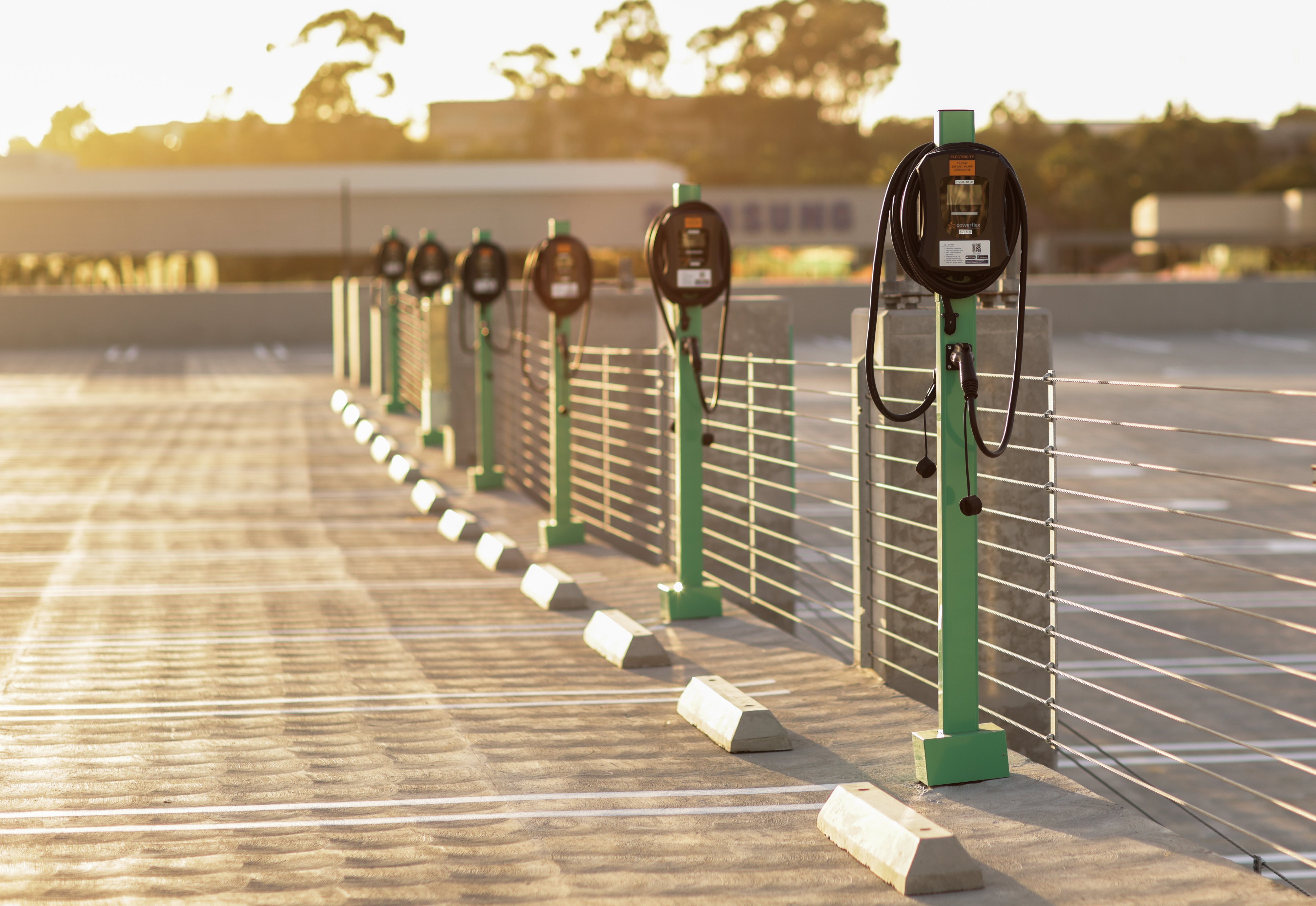
The rise of electric vehicles will undoubtedly impact theme park parking. Parks may need to install more charging stations to accommodate EV owners, and they may even offer discounted parking rates for EVs as an incentive. The cost of installing and maintaining these charging stations will likely be passed on to consumers in some way.
Ultimately, the future of theme park parking is uncertain. But one thing is clear: planning ahead, exploring alternative transportation options, and carefully evaluating your options are more important than ever. It’s about being a savvy traveler and making informed decisions to minimize your expenses and maximize your enjoyment.


No comments yet. Be the first to share your thoughts!