

The 2026 outlook for EV charging
EV adoption in the US was roughly 8% in late 2023, but we expect that to hit 30% by 2026. This changes what a parking spot is for. It isn't just a place to leave your car anymore; it's where you refuel.
Right now, a major challenge is the uneven distribution of charging stations. While some cities are well-equipped, others lag behind, and even within those cities, access can be spotty. Range anxiety remains a real concern for many potential EV buyers, and a lack of convenient charging options only exacerbates that fear. 2026 will likely see more investment in public charging, but also a greater emphasis on destination charging – the ability to charge while you shop, dine, or explore.
The focus is shifting towards making charging an integrated part of the overall experience at popular destinations. We're seeing more businesses and municipalities realizing that offering EV charging isn't just good for the environment, it's good for business. I think by 2026, we’ll see a more seamless integration of charging into parking apps, real-time availability data becoming commonplace, and a wider range of pricing models to suit different driver needs. It's a dynamic field, and staying informed is key.
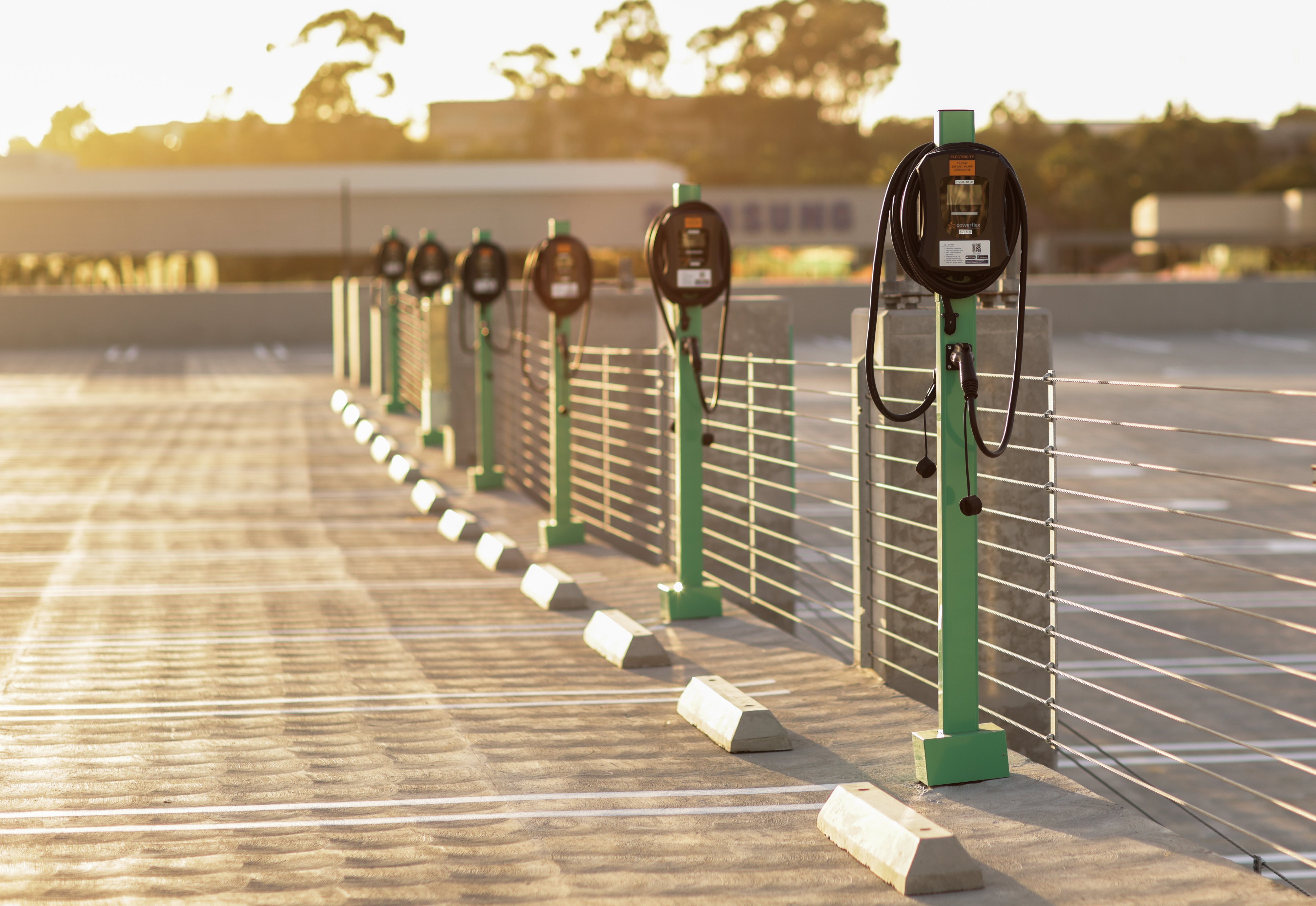
Top 10 destinations for EV drivers
Choosing the best destinations for EV drivers requires looking at a combination of factors: the number of charging stations, the types of chargers available, parking accessibility, and overall cost. It's not just about having chargers, it's about having the right chargers in convenient locations. Here's my take on ten destinations leading the way in EV-friendliness, as of late 2023/early 2024, with projections for 2026.
1. California (Statewide): California continues to lead the nation in EV infrastructure. Cities like Los Angeles and San Francisco boast extensive networks of Level 2 and DC Fast Charging stations. Parking can be expensive, but many garages offer EV charging as an amenity. Expect costs around $0.30-$0.60 per kWh for public charging. 2. New York City, NY: NYC is rapidly expanding its charging network, particularly in Manhattan and Brooklyn. Parking is notoriously difficult, but there's a growing number of garages with dedicated EV charging spots. Costs are similar to California.
3. Seattle, WA: Seattle has a strong commitment to sustainability and a good density of charging stations. Public charging costs are generally competitive. 4. Portland, OR: Similar to Seattle, Portland offers a robust charging network and a supportive EV community. 5. Orlando, FL: With Disney World and Universal Studios, Orlando is seeing a surge in demand for EV charging. Both parks are investing in infrastructure, but expect premium pricing. DC Fast Charging can easily cost $0.75+ per kWh.
6. Yosemite National Park, CA: Yosemite is adding more charging stations, but availability remains limited, especially during peak season. Reservations are often required. 7. Grand Canyon National Park, AZ: Similar to Yosemite, the Grand Canyon is expanding its charging infrastructure, but it’s still a work in progress. 8. Austin, TX: Austin is a rapidly growing city with a growing EV community. The city is investing in public charging infrastructure, but it still lags behind some of the other destinations on this list.
9. Denver, CO: Denver is becoming a popular destination for outdoor enthusiasts, and the city is responding with increased charging options. 10. Washington, D.C.: D.C. offers a good mix of public and private charging stations, with some preferential parking options for EVs. However, finding affordable parking can be a challenge. It’s important to note that these rankings are based on current trends and projections; availability and pricing can change quickly.
Featured Products

WiFi connectivity for remote monitoring · 40 Amp charging speed · 16 ft extension cord
This portable EV charger offers reliable and convenient charging solutions for electric vehicle owners exploring destinations with limited charging infrastructure.
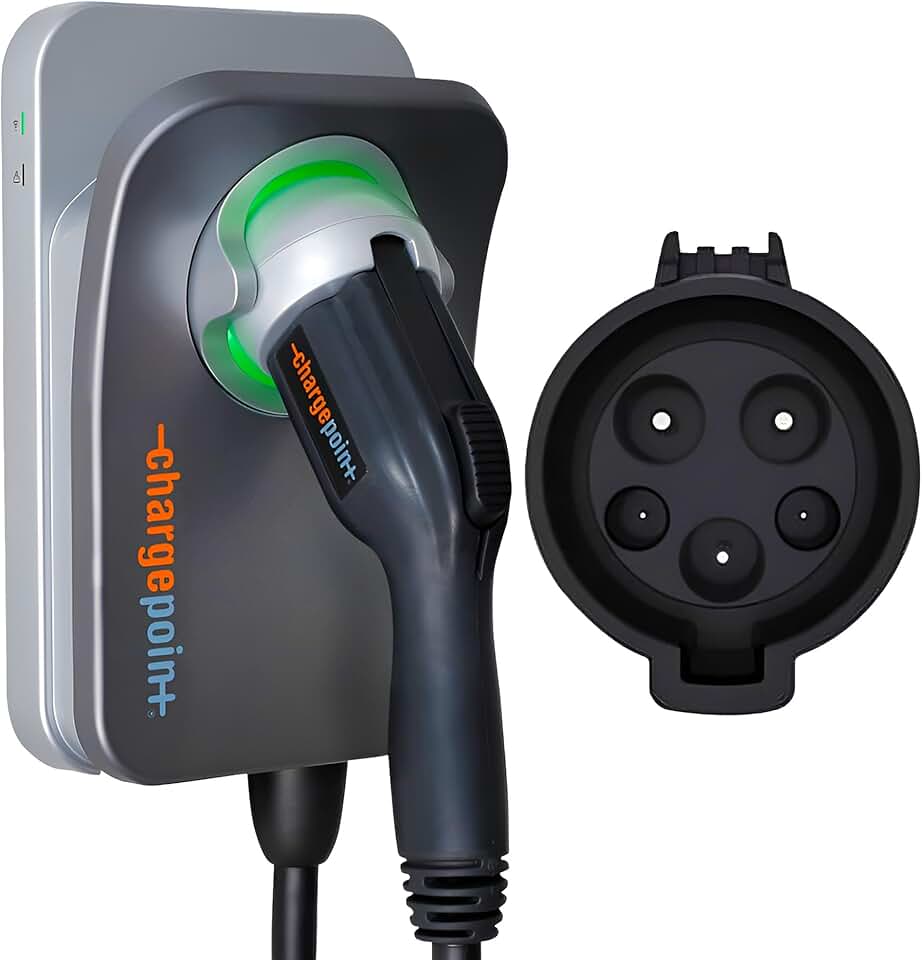
Hardwired installation · Smart charging capabilities · Level 2 charging speed
This portable EV charger offers reliable and convenient charging solutions for electric vehicle owners exploring destinations with limited charging infrastructure.

Up to 48A charging speed · NACS connector · UL Certified
This portable EV charger offers reliable and convenient charging solutions for electric vehicle owners exploring destinations with limited charging infrastructure.

40 Amp charging speed · 25 ft extension cable · NEMA 14-50 plug
This portable EV charger offers reliable and convenient charging solutions for electric vehicle owners exploring destinations with limited charging infrastructure.
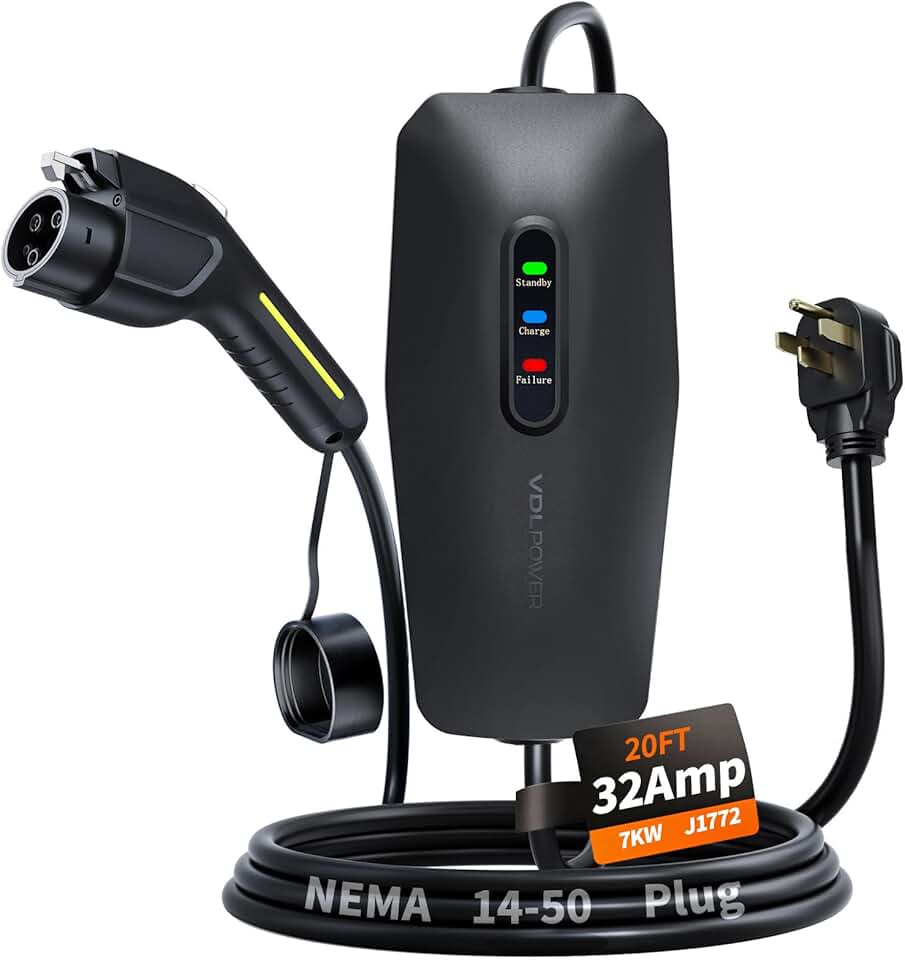
32 Amp charging speed · 7KW charging power · 20 ft cable
This portable EV charger offers reliable and convenient charging solutions for electric vehicle owners exploring destinations with limited charging infrastructure.
As an Amazon Associate I earn from qualifying purchases. Prices may vary.
Navigating local parking rules
Parking regulations for EVs vary significantly from city to city and state to state. Many municipalities offer preferential parking to EVs, such as free or reduced rates at metered spaces. Some cities also reserve specific parking spots for EVs only. It’s crucial to understand the local rules before you park to avoid tickets or towing. The Alternative Fuels Data Center (afdc.energy.gov) is a fantastic resource for details on signage and regulations in different areas.
For example, San Francisco offers free parking at metered spaces for EVs with a valid permit. However, there are time limits and restrictions. Similarly, some cities offer reduced rates at parking garages for EVs. These regulations are constantly evolving, so it's essential to check the local government's website or use a parking app like Easy Parked to stay up-to-date.
Permit requirements also vary. Some cities require EV drivers to obtain a special permit to access preferential parking. These permits often have a fee associated with them, but the savings on parking can often outweigh the cost. I've seen some confusion around these permits, so double-checking the requirements is always a good idea. Don't assume a benefit exists without verifying.
Charging station accessibility
Ensuring that EV charging stations are accessible to everyone, including drivers with disabilities, is paramount. The U.S. Access Board provides detailed design recommendations (access-board.gov) to help ensure inclusivity. These recommendations cover things like charger height, clear ground space, and accessible signage. It’s not just about complying with the law; it’s about creating a welcoming and equitable charging experience for all.
Key considerations include providing sufficient maneuvering space around the charging station, ensuring the charger itself is within reach for individuals using wheelchairs, and using clear and contrasting signage. The guidelines also address the placement of accessible parking spaces near charging stations. Ignoring these guidelines isn’t just unethical, it can lead to legal issues.
Good charging spots need lighting and clear paths. If a wheelchair user can't reach the plug, the station is useless. We need to build these right the first time to make sure everyone can actually use the cars they buy.
Where to find free charging
While public charging networks are expanding, finding free EV charging can still be a challenge. However, several locations consistently offer complimentary charging. Shopping malls are a good starting point, as many are installing charging stations to attract customers. Libraries and community centers often provide free charging as a public service. Workplaces are also increasingly offering charging as an employee benefit.
Hotels are another potential source of free charging, particularly for guests. Some hotels offer charging as an amenity, while others provide access through partnerships with charging networks. Apps and websites, like Easy Parked, can help you locate free charging stations in your area. Be prepared for potential wait times, especially during peak hours. Free charging spots are often in high demand.
It’s also worth checking with local businesses. Some restaurants and coffee shops offer free charging to attract customers. While the availability of free charging can vary, it’s worth exploring these options to save money and reduce your carbon footprint. Don't rely on free charging being available, though; always have a backup plan.
Dynamic pricing and demand response
Dynamic pricing for EV charging is becoming increasingly common. This means that the price of charging varies depending on factors like time of day, demand, and grid conditions. The goal is to incentivize drivers to charge during off-peak hours, when electricity is cheaper and more readily available. This can help reduce strain on the grid and lower charging costs for everyone.
Demand response programs take this a step further by offering drivers financial incentives to reduce their charging load during peak demand events. These programs typically involve enrolling in a utility’s demand response program and agreeing to reduce your charging load when requested. The benefits for drivers can include lower charging rates or even direct payments.
Fluctuating prices are annoying. I've found that if you don't check the app before plugging in, you might pay double what you expected. Hopefully, the software gets better at showing these costs upfront so we aren't guessing at the meter.
Parking amenities for EV owners
The best EV charging experiences go beyond just providing a plug. Parking locations that cater to EV drivers often offer additional amenities to make the charging process more convenient and enjoyable. Covered charging stations protect your vehicle from the elements. Security cameras provide peace of mind. Restrooms and Wi-Fi make it easier to pass the time while your vehicle charges.
Proximity to restaurants, shops, or attractions is also a major plus. Being able to grab a bite to eat or do some shopping while your car charges can make the experience much more pleasant. Destinations that go above and beyond to create a positive EV charging experience are more likely to attract and retain EV drivers.
I’ve noticed a trend towards more thoughtfully designed EV parking areas, with comfortable seating, shaded areas, and even dedicated EV lounges. These amenities demonstrate a commitment to sustainability and a recognition of the unique needs of EV drivers. These small touches can make a big difference.


No comments yet. Be the first to share your thoughts!